
What It's Like Running a Business While Playing Baseball, Football, and Basketball
The real schedule of a kid entrepreneur balancing sports and business
Being a kid entrepreneur balancing sports and business sounds impressive until three coaches, a science project, and a customer message all arrive on the same afternoon. A real week is less about heroic late nights and more about making honest choices. Baseball, football, and basketball each bring their own practices, games, travel, and gear, so the business has to fit around life instead of swallowing it. The goal is not to be busy every second; it is to know what deserves your best energy.
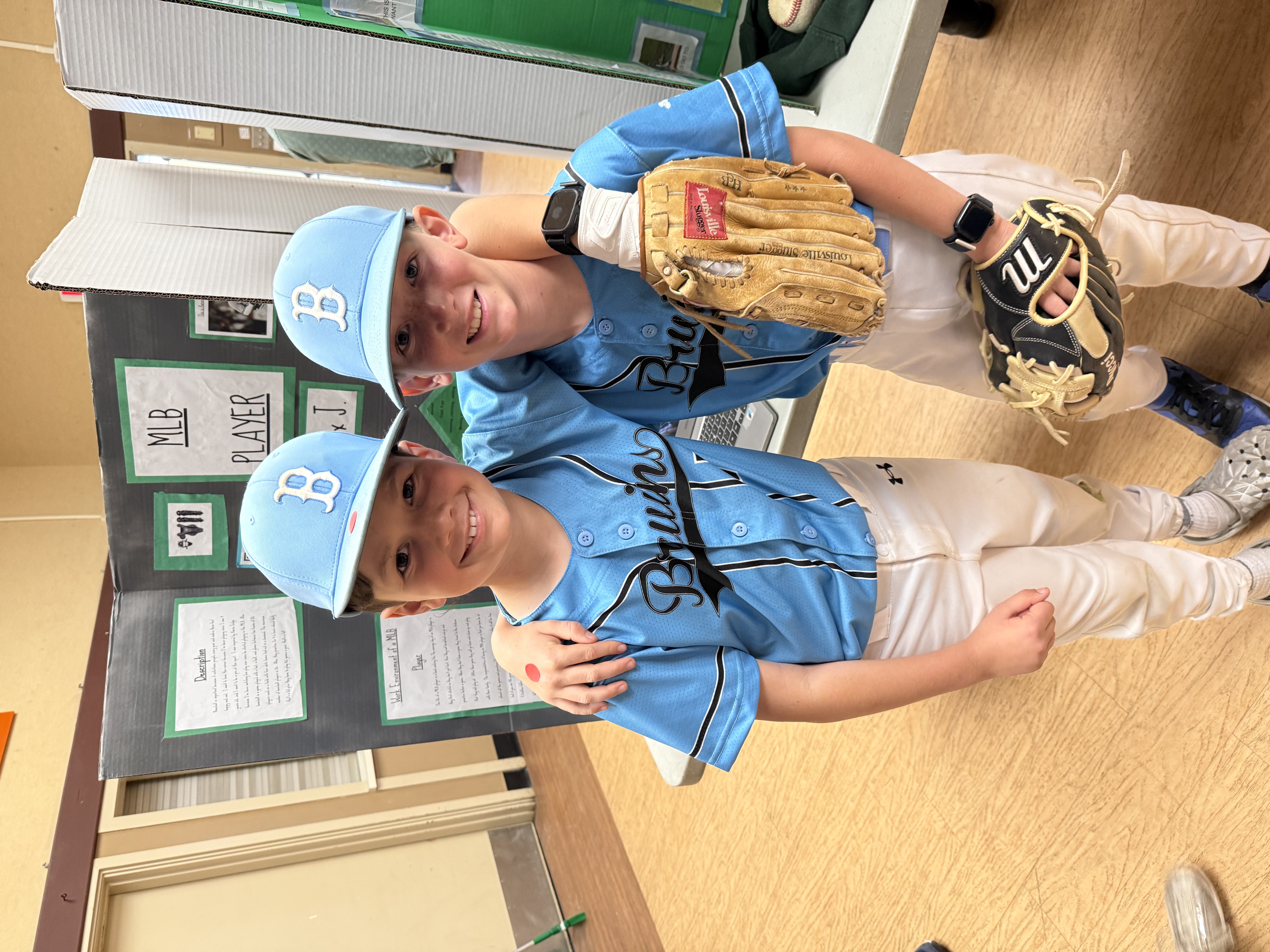
What a normal week looks like across three sports
A normal week might start with baseball practice on Monday, football drills on Tuesday, and basketball on Wednesday, with games scattered across the weekend. Then there is school, homework, meals, showers, and the mysterious ten minutes that disappear while looking for one missing sock. A young founder may answer a customer question during a car ride, pack orders on Saturday morning, and check inventory before practice. That is a full schedule, not a tiny one.
The trick is to see the week as a team roster. Practice and games are already committed players. School and sleep are starters too, not substitutes. Business tasks can take the open spots, but they should not shove recovery or family time onto the bench.
Finding business time between practices, games, homework, and recovery
Business time does not always arrive as a giant, quiet afternoon. Sometimes it is a 15-minute session before dinner or a short packing job while a parent handles the next drive. Small sessions work when the task is clear: reply to three messages, count ten items, write one product caption, or place finished orders in a labeled bag. Small plays still move the ball.
It also helps to match the task to your energy. Creative work may fit best before school, while sorting supplies can happen after practice when your brain feels like mashed potatoes. If a week is packed with tournaments, the business plan should shrink temporarily rather than pretend there are extra hours hidden under the couch.
Why “I’ll do it later” is not a business strategy
“I’ll do it later” feels harmless until later becomes bedtime, then tomorrow, then the day after tomorrow. Customers do not need instant replies from an 11-year-old, but they do need clear expectations. A simple promise such as “orders are checked on Saturday” is much easier to keep than a vague promise to handle everything whenever.
Postponing one task can also create a chain reaction. An uncounted item can lead to a wrong order, which leads to an awkward message, which leads to a teammate asking why the necklace is in the wrong color. Pick a next action and give it a home on the calendar. That turns a fuzzy worry into an ordinary job.
Using one calendar to stop your life from becoming a fumble
One shared calendar is usually better than a practice calendar, a school calendar, a phone note, and a parent’s memory all competing for the championship. Put practices, games, tests, order deadlines, family plans, and recovery time in the same place. Use colors if that makes the schedule easier to read, but do not create 47 colors just because the app allows it.
A weekly reset can take ten minutes. Look at the next seven days, circle the crowded spots, and choose only the business tasks that genuinely fit. The sports and education guide is a useful reminder that time management connects classroom responsibilities with athletic pursuits, which is exactly why one visible plan beats a pile of scattered reminders.
How each sport teaches a different business skill
Sports do not magically turn someone into a business expert. They do, however, provide repeated chances to practice useful habits. Baseball teaches patience, football makes roles visible, and basketball demands quick choices. None of those lessons replaces learning how money, customers, or inventory work, but they give young entrepreneurs a familiar way to think about those problems.
The best lessons often come after the exciting part. A slow sales week, a dropped pass, a missed shot, or time on the bench can reveal what needs changing. A kid entrepreneur balancing sports and business gets plenty of feedback—some of it wearing cleats.
Baseball: staying patient through slow results
Baseball has a funny relationship with waiting. You can stand in the outfield for a while, then suddenly need to make a perfect throw. Business can feel similar. A new product might not sell immediately, and a social post might sit quietly before someone notices it. That does not automatically mean the idea is bad.
Patience should not mean doing nothing. Track what happened, ask a few customers what they liked, and make one thoughtful adjustment. A baseball player does not abandon the season after one at-bat, and a young founder does not need to abandon a business after one quiet weekend.
Football: understanding roles, plays, and teamwork
Football makes teamwork very obvious: one person cannot run every route, block every defender, and throw the ball at the same time. A small business needs roles too. One founder might organize supplies while another talks with customers, or a parent might help with payments and transportation.
A play works better when everyone knows the assignment before the snap. The team fundraiser checklist makes a similar point for youth sports: clear goals, assigned jobs, ordering details, and communication reduce sideline chaos. The lesson is simple—teamwork is not just cheering loudly. It is knowing who does what.
Basketball: making quick decisions when the plan breaks
Basketball rarely stays still. A pass gets tipped, a defender appears, or the open lane closes in half a second. Business has its own surprise moments: an item sells faster than expected, a supplier runs late, or a customer asks for a color that is not available.
Quick decisions are easier when the basic rules are already clear. Know what can be substituted, when to ask an adult, and which promises cannot be changed. Being fast does not mean guessing wildly. It means noticing the situation, choosing the safest useful option, and moving without turning a small problem into a full-court scramble.
Turning losses, bench time, and bad games into useful feedback
A bad game can sting, especially when everyone else seems to be having a highlight-reel day. Give yourself a minute to be annoyed, then ask better questions: Was the plan clear? Did we prepare? Did we communicate? What can we try next time? The same questions work after a customer says no or an order gets mixed up.
A setback is information, not a final score.
That idea keeps disappointment from becoming a permanent label. Write down the lesson while it is fresh, decide on one change, and then return to practice, school, or the next business task. Feedback is useful only when it gets turned into a new play.
Building a business that fits your athletic life
The best business idea for a young athlete is not necessarily the biggest idea. It is one that can be delivered safely, honestly, and consistently alongside school and sports. A complicated operation with endless custom requests may sound awesome until tournament season arrives. A smaller setup can still teach pricing, customer service, teamwork, and responsibility.
The youth entrepreneur story about turning a classroom project into a local business shows why starting with a manageable idea can be powerful. You do not need a giant roster on day one. You need a clear offer and a way to keep your promises.
Choosing products or services you can manage between games
Start by asking what can realistically be stored, explained, packed, and delivered. A product with a few clear choices is easier to track than one with hundreds of combinations. A service should have a clear beginning and end, not a promise that quietly expands until it takes over every weekend.
Think about the physical side too. Where will supplies live? How long does each order take? Can an adult help with anything that involves money, transportation, or online accounts? The best choice is one that leaves enough room for a late practice, a homework surprise, and the occasional need to simply sit down.
Automating orders, payments, and customer updates
Automation can mean very basic systems. A shared order form, a labeled storage box, a payment record managed with a parent, and a standard update message can remove repeated work. You are not trying to build a robot empire before fourth period. You are trying not to answer the same question six times while tying your cleats.
The important part is that the system matches what you can actually support. If an order is received, someone should know where it goes next. If an item is unavailable, the customer should hear that clearly. A simple process is better than a fancy one nobody checks.
Setting realistic business hours when your schedule changes
Sports seasons move around, and games get rescheduled. Tell customers when you usually check messages, prepare orders, and deliver or ship items. During a tournament weekend, it is reasonable to say that replies may take longer. Clear timing feels more professional than disappearing and hoping nobody notices.
Parents can help make those hours visible on a storefront or message template. The schedule does not need to sound corporate. “We check orders on Saturday afternoon” is friendly, understandable, and much easier to keep than “available anytime.”
Knowing when to pause growth instead of overloading your roster
Growth is exciting, but more orders also mean more counting, packing, messages, and chances to make mistakes. Before accepting a big opportunity, estimate the work and compare it with the next two weeks of school and sports. If the numbers do not fit, you can limit quantities, extend the timeline, or say no for now.
That is not quitting. It is protecting the quality of the business and the health of the people running it. A coach would not put every player in every position for the entire game. A young business should not demand that either.
Staying organized when every day feels like game day
Organization does not have to turn a fun idea into a boring office job. It is really just remembering things before they become emergencies. When practices, tournaments, tests, and orders overlap, a few repeatable habits can create breathing room.
The goal is not a perfect desk or a color-coded life. The goal is to find the next task quickly, finish it, and know what happens after that. Good organization lets you close the notebook and enjoy practice without wondering whether an order is hiding under a hoodie.
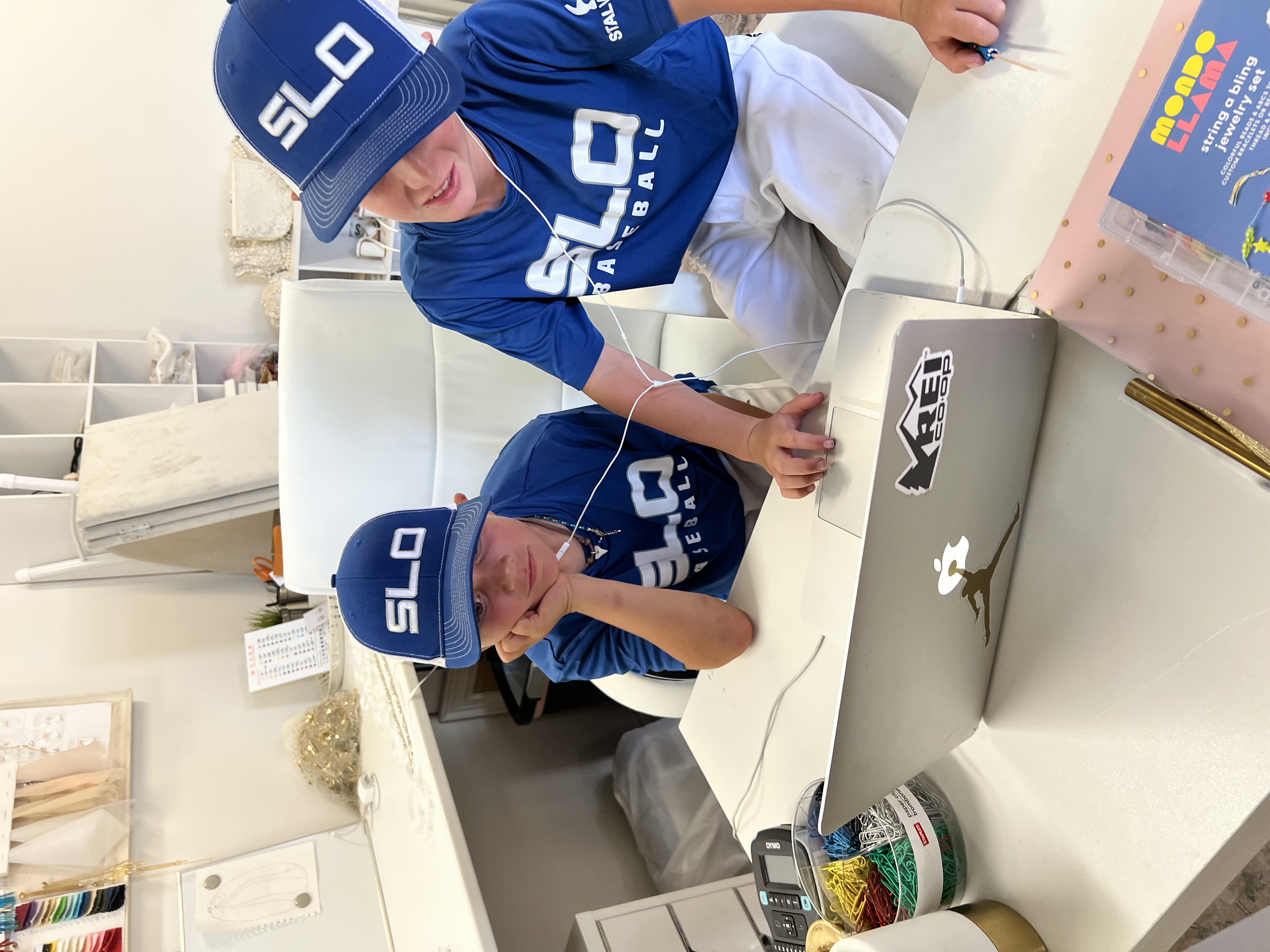
Planning the week around practices, tournaments, and deadlines
Begin with the fixed commitments: school hours, practices, games, travel, and sleep. Add deadlines next, then place business sessions in the gaps that are actually available. Leave some empty space because real weeks are full of traffic, forgotten water bottles, and coaches saying, “One more drill.”
A useful plan might include one packing session, one inventory check, and one customer-message session rather than business tasks every day. The preseason game plan offers a sports-based way to think about preparation: handle details early so game day can stay focused on playing.
Separating urgent tasks from “looks busy” tasks
Not every task with a notification deserves an immediate sprint. A customer waiting for a promised update may be urgent. Rearranging a logo for the ninth time probably is not. Ask what happens if the task waits until tomorrow and what promise, deadline, or person is affected.
A short priority list keeps the noise down. Handle commitments first, then tasks that prevent future problems, then tasks that are merely shiny. This is useful in sports too: tying your shoes matters more than adjusting your victory celebration before warmups.
Creating short work sessions that actually get finished
Short sessions need a finish line. “Work on the business” is too fuzzy, while “pack the five paid orders” gives your brain something it can complete. Set a timer, put the phone somewhere less tempting, and work until the small mission is done.
Try grouping similar jobs together. Count all inventory at once, write several customer updates together, or prepare packaging for the next few orders. When the timer ends, record what remains. The point is progress, not pretending that a 20-minute session can do the work of an entire company.
Using checklists, reminders, and routines without making life boring
Checklists are great for tasks that repeat, such as confirming an order, checking the item, packing it, and marking it complete. Reminders are helpful for deadlines, but too many alerts become digital background noise. Keep only the reminders that protect an actual promise.
A routine can still have personality. Put on a favorite playlist while packing, use funny names for task categories, or reward a completed work session with a few minutes of a game. Organization should help you get back to the fun, not replace it.
Handling school, customers, teammates, and family
A young business is never just a solo project. School affects the schedule, customers deserve honest communication, teammates may become supporters, and family members often help with practical details. That is a lot of people around one small operation, but it can also become a strong support crew.
The key is to communicate before there is a problem. Nobody likes finding out about a deadline after it was missed. A quick conversation can prevent a dramatic fourth-quarter scramble and make the business feel manageable for everyone involved.
Protecting grades while building a business
School comes first because it is a daily responsibility, not an optional side quest. Put tests, projects, reading, and homework on the same schedule as practices and orders. If a business task competes with a major assignment, the assignment gets the ball.
Ask for help early when a subject gets difficult. A tutor, teacher, parent, or classmate may explain something faster than an exhausted founder staring at the same worksheet for 40 minutes. Business is supposed to build skills, not become an excuse to ignore the ones you need in class.
Explaining your schedule to customers and setting expectations
Customers usually handle delays well when they know what is happening. Give them a clear estimate, explain when you check orders, and do not promise a delivery date you cannot control. A short, polite update is enough; it does not need ten apologies and a crying emoji.
You can also use a standard message so you do not reinvent every reply. If an order needs an adult’s help or a product is temporarily unavailable, say so. Trust grows from accurate updates, not from pretending every week runs perfectly.
Getting parents, coaches, and teammates on the same page
Parents should understand what the business involves, especially when it includes payments, online tools, transportation, or customer information. Coaches need to know that business activity will not interrupt practice or team rules. Teammates can help spread the word, give feedback, or participate in a fundraiser when the plan is clear.
The team fundraiser guide connects daily opportunities, shared goals, progress tracking, and appreciation. Those ideas work because people know why they are helping and what their role is. A team does better when nobody has to guess the play.
Asking for help before a small problem becomes a fourth-quarter disaster
Asking for help is not a sign that you are bad at business. It is a sign that you noticed the problem early. If an order is missing, a deadline is too close, or a customer is upset, tell a trusted adult instead of hiding the issue behind a pile of equipment.
Make the request specific: “Can you help me check these three orders?” or “Can we decide what to tell this customer?” Specific questions are easier to answer than “Everything is broken.” A good support crew can help you fix the play and learn from it.
Growing without losing the fun
A business can grow while staying small enough to enjoy. More sales are one kind of progress, but confidence, better communication, stronger systems, and happy teammates matter too. If every new opportunity creates panic, the business may be growing faster than its founder can handle.
Keep checking whether the business still feels like something you chose. Sports, friends, family, and rest are not obstacles standing between you and success. They are part of the life the business is meant to fit into.
Measuring progress beyond money and social media likes
Money matters because it shows whether the numbers make sense, but it is not the only score. Track repeat customers, completed orders, useful feedback, teamwork, and whether you are getting better at explaining the idea. A quiet post does not erase a great conversation with a customer.
You can keep a simple monthly scoreboard with three wins, one lesson, and one next goal. The young leadership lessons page is a helpful example of how skills such as listening, budgeting, public speaking, and accountability can grow from a small business into other parts of life.
Deciding which opportunities are worth your limited time
Every opportunity sounds exciting when it is announced. Before saying yes, ask whether it fits the schedule, teaches something useful, reaches the right people, and can be handled well. A big event may be worthwhile, but only if the preparation and follow-up do not wreck school or recovery.
Use a quick filter: Is it safe? Is it realistic? Is it fun enough to justify the work? If the answer is no to two of those questions, pass or ask for a smaller version. Your calendar has a salary cap, even if it does not use fancy sports language.
Recovering from burnout, injuries, and business mistakes
Burnout can look like snapping at everyone, dreading practice, avoiding messages, or feeling tired before the day starts. An injury can change the sports schedule and the mood around it. A business mistake can add embarrassment on top of both. Recovery begins with slowing down, telling someone, and removing nonessential pressure.
Mistakes should be repaired directly. Correct the order, refund or replace what is appropriate with adult guidance, and update the process that allowed the error. Rest is not wasted time. It gives your body and brain a chance to return to the game with better judgment.
Keeping sports, friends, and fun in the starting lineup
The whole reason many young athletes start a business is because they love creating something around the sports they enjoy. Protect that feeling. Go to the game without checking sales every five minutes. Hang out with friends without turning every conversation into a pitch. Let a practice be practice.
The Drip Bros began as a fourth-grade project between best friends who noticed that team gear could use more personality. That origin matters because it shows how a business can start with creativity and friendship, not just a giant master plan. The sports accessories shop can be a place to explore that team-spirit idea, but the bigger win is keeping the joy that started it.
Gear Up Your Next Idea
If you are ready to turn team spirit into a small business idea, start with a product athletes can understand and enjoy. Explore the Drip Bros collection with a parent, choose a manageable goal, and build your first play around fun, teamwork, and clear promises.
Conclusion
Running a business while playing baseball, football, and basketball is busy, funny, and occasionally chaotic. A shared calendar, honest limits, helpful teammates, and time for school and recovery make the juggling act possible. The best kid entrepreneur balancing sports and business is not the one who never drops the ball; it is the one who learns, asks for help, and keeps enjoying the game.
Frequently Asked Questions
Can an 11-year-old really run a business while playing three sports?
Yes, with adult support and a business sized for the available time. The schedule should protect school, sleep, health, and team commitments before adding orders or events.
What is the best first business task for a young athlete?
Choose one clear task, such as checking inventory, packing a few orders, or writing a customer update. A small finished task teaches more than a huge plan that never gets started.
How should young entrepreneurs handle busy sports seasons?
Reduce the number of products, limit orders, extend timelines, or pause sales temporarily. A seasonal business plan is often more realistic than trying to operate at the same speed all year.
How can sports help with business skills?
Sports offer practice with teamwork, patience, communication, decision-making, resilience, and responding to feedback. Those lessons become useful when they are connected to real business actions.
Should school come before a young person’s business?
Yes. School responsibilities should be planned first, and business work should fit around them. Parents and teachers can help create a schedule that keeps both areas manageable.
What should a young entrepreneur do after making a customer-service mistake?
Tell a trusted adult, communicate honestly with the customer, correct the problem when possible, and change the process so the same mistake is less likely to happen again.
How can kids keep a business from taking over their free time?
Set business hours, choose specific work sessions, and keep regular time for sports, friends, family, and rest. Growth is only useful when the business still leaves room for a happy life.