
Running a Business Taught Him to Run for School President
From side hustle to school campaign
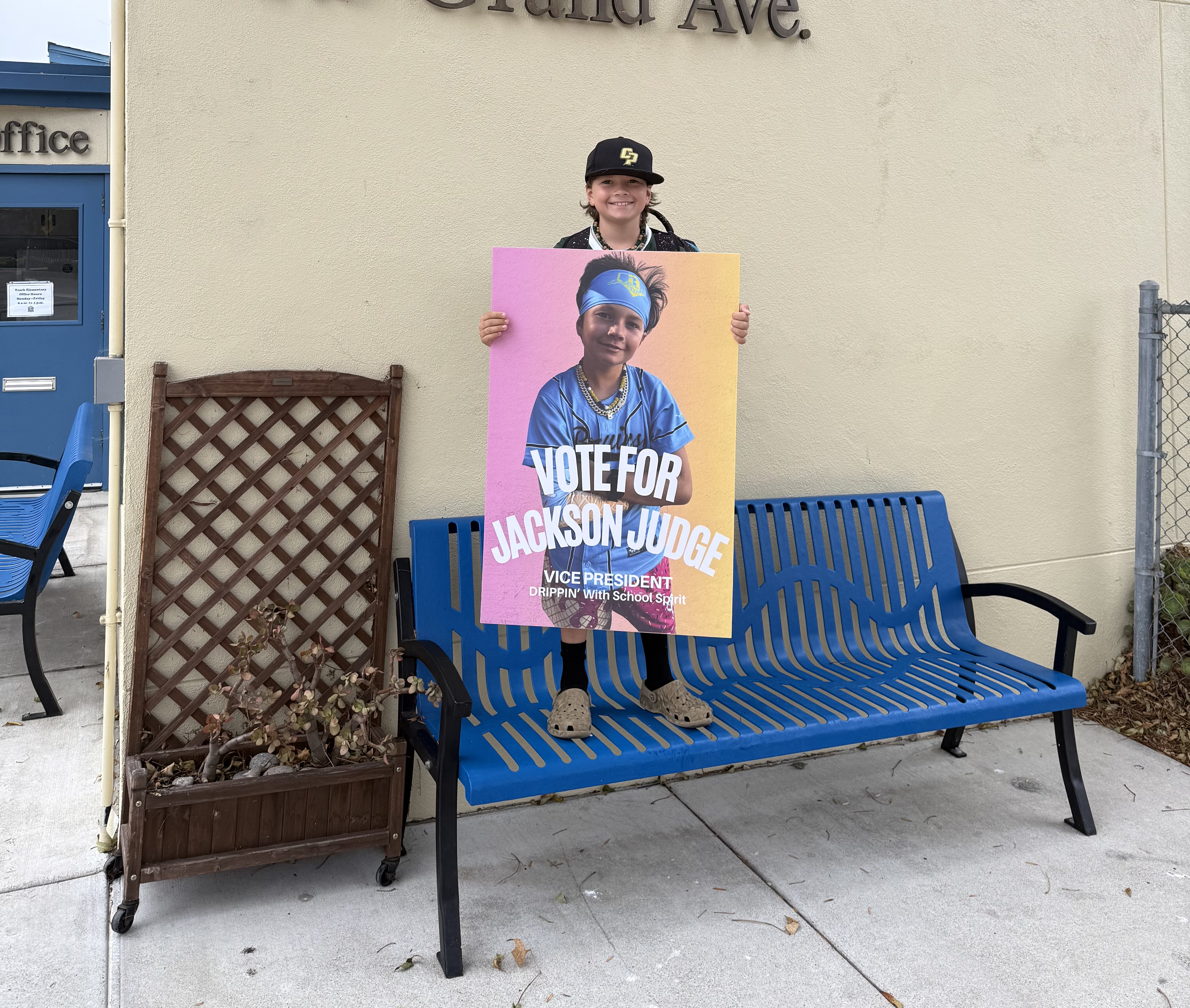
At 11, most kids are trying to remember where they left their water bottle. Jackson H and Jackson J were also building a sports-themed necklace business, learning how to make something people wanted and talk about it without sounding like a robot. Their story, told in the Drip Bros origin story, shows how a fourth-grade project can grow into a real lesson in responsibility. Then one of them decided school president would be the next challenge.
The business he started and the problem it solved
The business began with a simple gap in youth sports: kids wanted to show team pride with more personality and style. The Drip Bros created sports-themed necklaces for athletes, teams, and fans, giving people a way to represent their colors. That is a pretty solid business starting point: notice a problem, make something useful, and see if people care.
The idea was not cooked up in some giant office with twelve whiteboards. It started between best friends in a classroom, which makes the whole thing feel more like a good pass before a score than a corporate master plan.
How selling, budgeting, and serving customers built confidence
Selling teaches a kid to speak up, listen closely, and recover when someone says, “Nah, I’m good.” Budgeting teaches that money disappears fast when you buy materials without a plan. Serving customers adds another layer: the necklace might be the product, but the conversation and follow-through are part of the experience too.
Those small reps build confidence because they are real. Confidence comes from reps, not from pretending every pitch is perfect. A kid who can explain a product, track an order, and fix a mistake has already practiced several kinds of leadership.
Why school leadership felt like the next big challenge
Running a business and running for school president are different jobs, but both require a kid to notice what people need and explain what he can do. The campaign adds speeches, classmates, deadlines, and the terrifying possibility of a microphone making your voice sound like a squeaky door. That challenge can feel exciting precisely because it is public.
The move from selling a product to presenting ideas also asks for a new kind of courage. A customer can walk away, but a campaign audience is sitting right there, possibly whispering about your poster font.
The “kid entrepreneur leadership” connection in real life
Kid entrepreneur leadership is not about acting like a tiny CEO who wears a blazer to recess. It is about taking initiative, listening to people, making decisions, and owning what happens next. Those habits transfer naturally when a young business owner steps into a school campaign.
The best connection is simple: both jobs are team sports. You bring an idea, invite people in, adjust when the play breaks down, and keep moving without blaming the nearest teammate.
The business skills that became campaign skills
A campaign platform is basically a pitch with more school spirit and fewer product photos. The candidate has to explain a problem, offer a realistic response, and show why classmates should care. Business experience can help, but only if it is used to serve people rather than treat every conversation like a sales target.
There is also plenty of behind-the-scenes work. Materials need organizing, schedules need checking, and someone has to know where the posters went. That is not glamorous, but neither is counting inventory at bedtime, and both jobs still matter.

Turning a business pitch into a campaign platform
A useful pitch usually answers three questions: What is the problem? Who experiences it? What can we realistically do? A school platform can use the same structure, whether the issue is lunchroom cleanliness, spirit days, recess equipment, or making announcements easier to follow.
The trick is to keep the promise connected to the actual authority of student council. A candidate should not promise to rebuild the gym personally unless he has a secret construction crew hidden behind the stage curtain.
Using customer feedback to hear what students actually want
Customer feedback is practice for listening without getting defensive. If students say they want better spirit events, the candidate should ask what “better” means: more themes, more notice, more participation, or fewer events that feel like homework wearing a party hat.
A quick conversation can reveal more than a guess. The KidEntrepreneurship.com curriculum similarly centers young people on defining products, understanding customers, creating marketing strategies, and delivering pitches—skills that make a school campaign more thoughtful.
Managing money, materials, and campaign-day logistics
Even a simple campaign needs a tiny operations plan. Someone must track approved spending, poster supplies, speech times, and who is carrying the signs. The goal is not to make an 11-year-old run a finance department; it is to prevent the classic campaign disaster where everyone assumes someone else brought tape.
A short checklist keeps the day from turning into scramble mode:
- Confirm the speech time and location.
- Count posters, tape, markers, and handouts.
- Check that every promise follows school rules.
- Assign one person to answer last-minute questions.
After that list, the candidate can focus on people instead of hunting for a missing marker. Good logistics create calm, and calm makes it easier to be friendly.
Treating classmates like teammates instead of targets
Classmates are not a collection of votes to collect like trading cards. They are the people who will live with the campaign’s ideas, help carry them out, and notice quickly if the candidate only cared about winning.
That teammate mindset also fits a sports-centered business built around team pride. The Drip Bros grew from friendship and shared love of sports, so the campaign lesson is familiar: people work harder when they feel included, not cornered.
Building a campaign team that plays to win
No 11-year-old campaign should be a one-person show. One kid may be great at speeches, another may design posters, and someone else may remember every deadline without needing three reminders and a dramatic sideline stare. A strong team uses those differences instead of asking everybody to do everything.
The candidate still has to lead the group. That means setting direction, hearing concerns, and making a call when the team is stuck. It does not mean grabbing every job because you are afraid the poster will have one crooked star.
Recruiting friends with different strengths
Recruit friends who bring something useful and who can handle the campaign’s pace. A funny friend can make a speech memorable, while a careful friend can catch errors before they reach the hallway bulletin board. Someone who knows lots of classmates can help spread the word, but popularity alone is not a complete game plan.
The smartest question is not “Who is coolest?” It is “What does this team need?” That question turns a friend group into a working group without making it weird.
Giving everyone a clear role, from hype captain to spreadsheet MVP
Clear roles prevent the same two people from doing all the work while everyone else says, “I thought you had it.” Jobs can be simple: speech practice partner, poster designer, schedule checker, classroom messenger, or hype captain. The spreadsheet MVP can track tasks, but nobody needs a spreadsheet for choosing the team’s celebratory handshake.
A role should come with a finish line. “Make posters” is fuzzy; “finish six approved posters by Thursday” is much easier to understand and complete.
Keeping the campaign organized without becoming the boss nobody likes
Organization works best when it lowers stress for everyone. A quick team huddle, a shared task list, and one clear decision-maker can keep the campaign moving. The candidate should ask for updates, not conduct a courtroom interrogation over a late marker delivery.
A leadership guide about self-awareness, empathy, trust, and continuous learning offers a useful reminder: knowing how your behavior affects other people is part of leading well. Even a school campaign needs humility, especially when the leader is wrong about the poster color.
Handling disagreements in the locker room and the group chat
Disagreements are normal when friends care about the result. The team can separate the idea from the person, explain the concern, and choose a test when possible. If two slogans are competing, try them on a few classmates instead of arguing until the group chat becomes a digital tumbleweed.
Good teams disagree about the play, then keep passing to each other.
The point is not to avoid conflict forever. It is to make disagreement safe enough that a teammate can speak honestly before a small issue becomes a giant one.
Winning votes without making promises that sound goofy
A campaign should be fun, but fun does not mean making promises that would require the principal to discover a hidden money tree. The strongest ideas are easy to repeat, possible to explain, and connected to daily school life. A little humor helps people listen; a little realism helps them trust you.
The candidate also needs a consistent message. A speech, poster, and social post should sound like the same person, not three different kids sharing one campaign account.
Choosing school issues students care about
Start with the stuff students actually talk about: spirit, recess, lunch, clubs, recognition, and how information gets shared. Ask open questions and listen for repeated frustrations. If only one person cares about an issue, it may still matter, but the campaign should understand its size before building the whole platform around it.
The best issue is often ordinary. Making a school event easier to join can matter more than promising a moon base with free nachos.
Creating realistic promises the student council can deliver
A realistic promise has a clear action and a clear limit. “I will improve school spirit” is too foggy. “I will work with the council on one themed spirit day each month and ask students for ideas” gives people something they can understand and later check.
Candidates should also explain what depends on approval from adults or school rules. Honest limits do not make a promise weak; they make it sound like it came from someone who has actually looked at the playbook.
Using humor without turning the campaign into a roast battle
Jokes can make a nervous audience relax, especially when the speaker is laughing at a harmless situation rather than a classmate. A funny line about lost pencils is safer than a joke aimed at another candidate’s clothes, voice, or following.
Humor should open the door to the idea, not kick the idea down the stairs. If people remember the insult but cannot remember the platform, the joke won and the campaign lost.
Explaining ideas clearly in speeches, posters, and social posts
Clear communication is mostly editing. Use a short opening, one or two examples, and a direct ask. Posters need readable words from a few steps away, while social posts should make sense even if someone only glances at them between soccer drills.
Practicing out loud exposes the clunky parts. It also helps the candidate pause, look up, and sound like a teammate speaking to teammates instead of a commercial announcing a suspiciously powerful vacuum.
The toughest lessons from the campaign trail
Campaigns bring surprises because people are unpredictable and poster tape has a personal grudge against painted walls. A candidate may face a bigger following, a bad speech, or a deadline that arrives faster than expected. Those moments can sting, but they also show what kind of leader appears when the easy version of the plan disappears.
Business experience does not remove pressure. It can, however, give a young candidate some practice in adjusting, apologizing, and trying again.
Responding when another candidate has a bigger following
A bigger following can create attention, but it does not automatically create trust. The response should be steady: learn what students value, share specific ideas, and talk with people one at a time when possible. Trying to copy the popular candidate usually makes the campaign feel like a knockoff jersey.
The goal is to build a clear identity. A candidate can be energetic without being loud, funny without being mean, and ambitious without pretending to have every answer.
Learning from a bad speech, missed deadline, or awkward debate answer
A mistake becomes useful when the team studies it without turning it into a tragedy documentary. Was the speech too long? Did the poster approval take longer than expected? Did the candidate answer a different question because he panicked? Each answer points to a practice change.
Writing down the lesson makes it easier to use next time. The same habit helps in business, where a confusing customer conversation or missed task can become information for improving the process.
Staying confident after losing support—or possibly losing the election
Confidence cannot depend entirely on applause. Support shifts, and elections have winners and losers. A candidate can be disappointed while still feeling proud of the courage it took to speak, organize friends, and put real ideas in public.
If the election is lost, the work is not worthless. The candidate can congratulate the winner, offer useful help, and carry the lessons into the next project. That is not a consolation prize; it is character with sneakers on.
Balancing schoolwork, business responsibilities, and campaign chaos
There are only so many hours in a day, even for a kid with championship-level energy. Schoolwork, rest, family time, business tasks, and campaign work all need space. A simple weekly plan can show what must happen now and what can wait until tomorrow.
Adults can help with transportation, approvals, safety, and big decisions. Asking for that help is not cheating. It is smart team management, especially when the leader is still expected to finish the math worksheet.
What young entrepreneurs can learn about leadership
The campaign reveals that leadership is less about looking impressive and more about making progress with other people. A young entrepreneur already has useful practice: spotting needs, testing ideas, handling feedback, and staying responsible when the fun part is over. School leadership adds a public stage and a bigger circle of teammates.
That combination can help kids understand leadership before they ever have a job title. They learn that a good idea needs care, communication, and follow-through to become something real.
Why leadership is more than being the loudest person in the room
The loudest person may get noticed first, but the best leader often notices who has not spoken yet. Listening can reveal a better idea, a hidden problem, or a teammate who needs a clearer job. Quiet leadership still counts when it helps the group move.
A leader can set the tone by asking good questions and giving credit. That makes people more willing to contribute, which is a much better strategy than trying to win every conversation.
How mistakes can become useful data instead of disaster
A mistake is a clue about the plan. If students ignore a poster, maybe the message is unclear. If a product pitch drags, maybe the explanation needs trimming. If the team misses a deadline, perhaps the task was too vague or no one owned it.
That does not mean mistakes feel awesome. It means the kid can ask, “What is this teaching us?” before the embarrassment starts running the whole show.
When to delegate, ask for help, and let another teammate cook
Delegation means trusting someone with a real piece of the work, not handing over a task and then hovering like a nervous goalie. A teammate may have a better idea for the design, the schedule, or the speech ending. Letting that person try can improve the result and build their confidence.
Ask for help when the task involves skills, permission, or time you do not have. Great teams do not need one hero doing everything; they need several players making smart plays.
Turning a school campaign into practice for future ventures
A campaign gives young entrepreneurs a low-stakes place to practice research, messaging, teamwork, public speaking, and decision-making. Those skills will show up again in a fundraiser, a new product, a club project, or another business idea. The scoreboard matters less than the habits being built.
The Drip Bros story makes that practice feel especially close to home: a school project became a sports-themed brand, and the brand continues to connect team pride with support for inclusive youth sports. A kid does not need to wait for adulthood to start learning how to lead.
Leading after election day
Winning the election is the opening whistle, not the final buzzer. Once the posters come down, classmates will care about what happens next. The new president needs to turn broad promises into a few actions people can see and understand.
That process also protects trust. Students are usually pretty good at spotting the difference between a leader who is busy working and one who is busy looking busy.
Converting campaign promises into an action plan
Begin with the promises that are both important and possible. For each one, name the first step, the people who need to be involved, and a rough timeline. A promise about spirit days might start with a student survey, a proposal to the council, and a calendar that everyone can see.
Keeping the first plan small is a strength. One finished project teaches more than five exciting ideas that never leave the group chat.
Measuring progress with student feedback and simple KPIs
Simple KPIs—key performance indicators—can help a young leader check whether an idea is working. The measures do not need to be fancy: number of students participating, responses to a quick survey, tasks completed, or events delivered on time.
Numbers are only part of the picture. Pair them with comments from students so the leader knows not just what happened, but why. A campaign that learns after election day is still listening to its customers, only now the customers are classmates.
Keeping classmates involved after the posters come down
Invite students to suggest themes, volunteer at events, and give feedback on what should change. Participation should not be reserved for the original campaign crew. If the council keeps asking for ideas, more students can feel like owners of the school community.
That same community spirit appears in a team fundraiser plan, where clear goals, teammate participation, updates, and thank-yous help keep morale alive. The setting is different, but the people-first lesson travels well.
Building trust through consistency, transparency, and follow-through
Trust grows through small proof. Give updates when a plan changes, admit when something did not work, and explain what happens next. If a request cannot be approved, say so plainly instead of letting rumors run the hallway like a loose basketball.
Follow-through is the final skill that connects business and leadership. People remember who listened, who kept showing up, and who did the work after the cheering stopped.
Make Team Pride Happen
If your team wants a fun way to represent its colors, start a team order with The Drip Bros and turn shared style into a shared moment. Every purchase also supports KEEN USA through the brand’s giving-back mission.
Conclusion
Running a business does not magically make a kid ready to be president, but it can give him valuable practice in listening, planning, speaking up, and taking responsibility. Add a supportive team and a willingness to learn, and a school campaign becomes a pretty great training ground for the next big idea.
Frequently Asked Questions
Can running a small business help a child become a better leader?
Yes. Selling, budgeting, serving customers, and solving problems give children practical chances to communicate, make decisions, and take responsibility.
What is kid entrepreneur leadership?
Kid entrepreneur leadership is the combination of initiative, empathy, teamwork, problem-solving, and follow-through that children practice while building ideas or serving customers.
How can a child create realistic campaign promises?
A child can ask what students need, learn what the student council can actually change, and describe a specific action instead of promising something outside the council’s control.
Why is listening important during a school campaign?
Listening helps a candidate understand what classmates care about rather than guessing. It also shows respect and can reveal better solutions.
How should young candidates handle campaign mistakes?
They should identify what happened, avoid blaming people, make one practical adjustment, and try again. A mistake can become useful information.
What roles can children have on a campaign team?
Children can help with speeches, posters, scheduling, research, communication, reminders, or encouraging classmates. Clear roles make teamwork easier.
What should a student leader do after the election?
The leader should turn promises into a short action plan, ask for feedback, share updates, and keep following through even after the excitement fades.