
Selling at Cal Poly's Mustang Madness: A Big Day for The Drip Bros
The game plan for a youth entrepreneur college event
A huge basketball crowd can make a tiny booth feel like it is playing defense against the entire arena. For two 11-year-old founders, Cal Poly's Mustang Madness offered a real test of planning, confidence, and teamwork. This youth entrepreneur college event was not just about making sales; it was about seeing whether a simple idea could hold up when the action got loud.
Why Mustang Madness was the perfect test
Mustang Madness brought together athletes, students, families, and fans who already cared about sports. That made it a natural place to show necklaces built around team spirit instead of trying to explain why sports style matters. The crowd also moved quickly, so every conversation had to be friendly, short, and clear. No long business lecture—just good energy and a product people could understand at a glance.
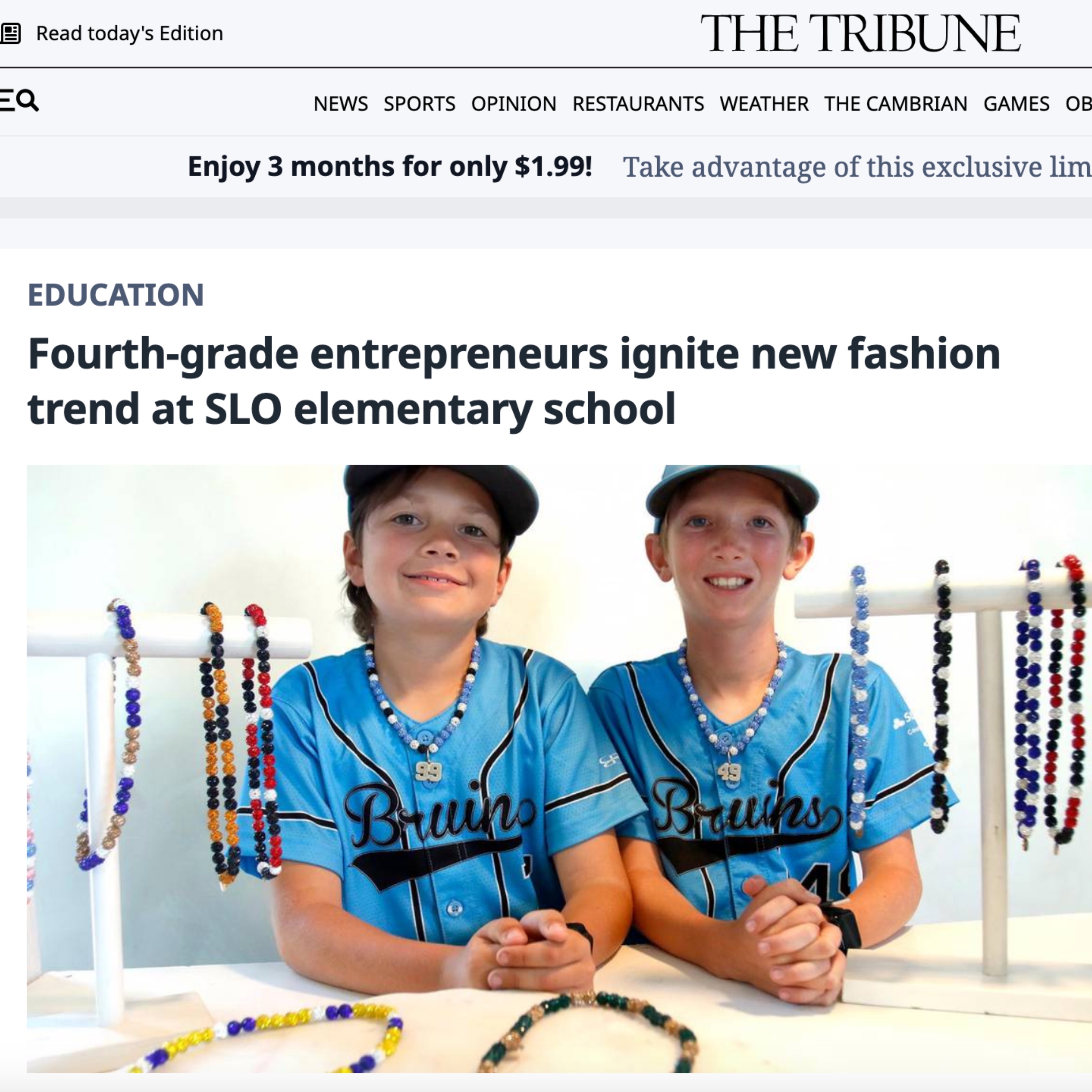
The boys had already learned that their story began as a fourth-grade project, and a young founders story can be a useful reminder that small ideas deserve a real-world test. A college event raised the stakes without making the mission complicated: show up prepared, talk to people, and learn what fans noticed first.
Setting goals beyond “sell a bunch of stuff”
Sales mattered, obviously. Nobody packs a booth full of necklaces hoping to admire the boxes all afternoon. But the better goals were more specific: start conversations, notice which colors attracted attention, practice explaining the price, and leave with ideas for the next event.
That kind of goal-setting keeps one slow stretch from feeling like a disaster. It also turns every question into useful information. If someone asked about sizes, colors, or team designs, the boys could treat that as a clue rather than a problem.
Splitting roles without starting a brotherly trade war
Two brothers working side by side can be hilarious, productive, and slightly chaotic. One person could greet people and explain the designs while the other handled products, payments, or restocking. Then they could switch before either one got stuck doing the boring job forever.
The trick was agreeing on the plan before the crowd arrived. Clear jobs meant fewer arguments, faster handoffs, and less of that classic “I thought you were watching the table” moment.
Getting The Drip Bros booth ready for tipoff
The booth had to work at basketball speed. Products needed to be easy to see, easy to pick up, and tough enough for an active event where bags, elbows, and excitement were all nearby. Preparation also had to fit two young entrepreneurs, so the system needed to be simple enough to remember without a clipboard the size of a backboard.
Choosing products that could survive a sports crowd
The focus stayed on sports-themed necklaces that fans and athletes could wear to represent team colors. Lightweight, durable options made sense for game day because shoppers wanted something fun, not something they had to carry like a museum artifact. The Mustang Drip Green & Mustard Gold design was especially relevant to a Cal Poly crowd because its colors connected directly to the event atmosphere.
The best products for a busy sports crowd also have an instant visual answer. Someone should be able to glance over, recognize the colors, and imagine wearing the piece before the next play starts.
Building a display that stood out between plays
A good display does not need to be enormous. It needs a clear front row, visible color groupings, and enough space for a customer to look without accidentally knocking over the whole operation. The boys could make the necklaces feel like game-day gear by giving the boldest designs the best sightline.
That visual organization helped the conversation begin naturally. Instead of asking, “What are you selling?” a passerby could point and say, “Wait, is that one for our team?” That is a much better opening possession.
Packing inventory, payment gear, and emergency supplies
Event packing is where the glamorous entrepreneur dream meets extra bags and backup supplies. The boys needed inventory, display materials, payment equipment, bags, and a way to track what moved. A few emergency items mattered too: tape, wipes, chargers, and something to fix a display if it started leaning like a tired referee.
A short packing list makes the pregame routine calmer:
- Necklaces grouped by design and color
- Display pieces and signs
- Payment device, charger, and cash supplies
- Bags, tape, wipes, and backup materials
After that checklist, the important thing was putting everything back in the same place. Searching for a charger while customers waited is not the kind of suspense anybody wants.
Turning game-day energy into customer attention
A sports event already supplies the excitement, but a booth still has to earn a few seconds of attention. The boys could not pause the game or announce a halftime show for every necklace. They had to match the crowd: upbeat, quick, and comfortable enough to laugh when a pitch came out a little awkward.
Using bold designs, quick pitches, and good-natured banter
The strongest pitch started with what people could see. A bright necklace, a team-color combination, or a number charm gave the boys something specific to point out. Then came a short explanation: it is sports style for players and fans, and it is made to help people represent their teams.
A quick pitch beats a long speech when the crowd is moving. Friendly banter helped, too, as long as it stayed respectful and age appropriate. A joke can open the door, but the product still has to do the rest of the talking.
Making college students stop, look, and laugh
College students are experts at walking past booths while looking like they are definitely not walking past booths. A bright setup and a little humor gave them a reason to slow down. The boys could ask a simple question about team colors, show a favorite design, and let the shopper decide whether to keep exploring.
That approach felt more like welcoming teammates than chasing customers. It also made room for parents and younger fans, who might care about different colors, sizes, or gifts. The goal was not to make everyone buy; it was to make the interaction enjoyable enough to remember.
Timing sales around warmups, breaks, and the final buzzer
Crowd timing mattered almost as much as the pitch. Warmups gave fans a chance to browse, breaks created short bursts of traffic, and the final buzzer often sent people moving in every direction at once. The boys had to stay ready without assuming every busy moment would last.
A useful event fundraising guide makes a similar practical point: preparation, clear goals, and an easy message help a team keep momentum. At Mustang Madness, that meant keeping the most popular designs visible and making checkout quick when the crowd suddenly surged.
What sold fastest at Cal Poly's Mustang Madness
The event became a live lesson in demand. Instead of guessing which pieces would win, the boys could watch what people picked up, what colors they asked about, and which designs made them call over a friend. That kind of feedback is more useful than a dramatic prediction made at the kitchen table.
Spotting the designs fans wanted to wear immediately
Fans usually responded fastest to designs that made team identity obvious. Bold color combinations had an advantage because shoppers could picture them with a jersey, warmup, or everyday outfit. A design did not need a complicated explanation if the colors already told the story.
The same principle appears in fan-favorite necklaces: team pride works best when the piece feels easy to wear and easy to understand. At a crowded event, immediate appeal matters because a customer may have only a few seconds before friends pull them toward the next activity.
Adjusting the pitch for students, families, and athletes
One pitch could not fit everybody. Students might care about standing out, families might ask about comfort or sizing, and athletes might want a design that matched their team. The boys could keep the core message steady while changing the example to fit the person in front of them.
That flexibility is a real business skill. It does not mean making up new claims; it means listening first and explaining the same product in a way that answers the question actually being asked.
Handling popular items when inventory started disappearing
When a design began moving quickly, the table had to stay honest and organized. The boys could check what remained, explain available options, and suggest another color or style without making a customer feel pushed. Running low was exciting, but it also meant every item needed to be counted carefully.
Limited inventory creates urgency only when the information is clear. A calm explanation protects trust, even when the display suddenly looks like it got blitzed by a full-court press.
The real hustle behind a big event day
The smiling booth moments were only part of the work. Behind them were payments, counts, bags, questions, and constant little decisions. A successful event day is less like one perfect play and more like a long game with several possessions that need attention.
Managing cash, card payments, and sales tracking
Checkout had to be simple enough for the boys to manage while people waited. They needed to confirm the item, receive payment, provide the product, and record the sale without losing track of what was left. Separating payment tasks between them helped keep the line moving.
Tracking also made the event useful after it ended. A basic record could show which designs sold, when traffic picked up, and whether the original inventory plan made sense. Those notes turn a busy day into information for the next one.
Staying organized while the crowd kept moving
Crowds create clutter fast. Necklaces get picked up and returned, bags migrate, and the best display arrangement can disappear in minutes. Keeping products grouped by color and returning each item to its place saved time and made the table look ready for the next customer.
A small operating rhythm helped: greet, explain, answer, check out, restock. It sounds simple because it is simple. Simple systems are powerful when the noise level is high and nobody has time to invent a new one every thirty seconds.
Recovering from slow moments, awkward pitches, and booth chaos
Not every conversation landed. Sometimes a shopper smiled and kept walking. Sometimes a joke arrived three seconds late. Sometimes the booth looked messy right after a busy rush. None of those moments needed a dramatic locker-room speech.
A rough possession is feedback, not the final score.
The boys could reset the display, try a shorter pitch, and start again with the next person. That ability to recover may be more valuable than having a perfect script from the beginning.
Lessons The Drip Bros learned from the court-side grind
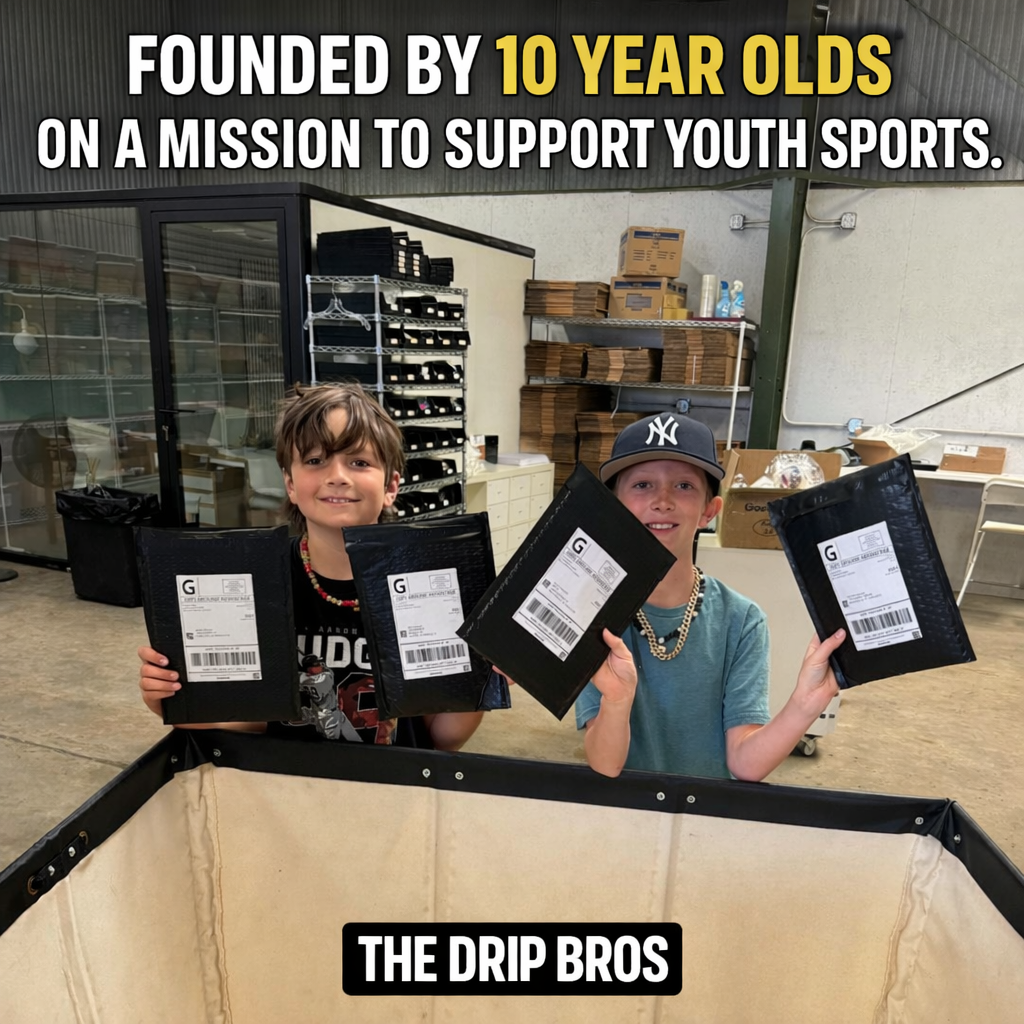
Mustang Madness gave the boys more than a sales total. It showed them how preparation affects confidence, how customers reveal demand through their behavior, and how teamwork keeps a long day from becoming overwhelming. The experience also connected to the bigger story of The Drip Bros, where a school project grew through friendship, sports, and paying attention to everyday problems.
What the event taught them about pricing and demand
A price is not just a number on a sign. Customers judge it alongside the design, the quality they can see, the usefulness of the item, and the feeling of buying something connected to their team. Watching real reactions helped the boys understand that demand is discovered through conversations, not just predicted in advance.
That does not mean changing prices every time someone hesitates. It means noticing patterns. If several people ask the same question, the sign or explanation may need work; if one design keeps getting picked up, its placement may need to change.
How customer feedback can sharpen the next product drop
Feedback can be direct, like a request for different colors, or quiet, like one necklace being handled far more often than the others. Both kinds are useful. The boys could record those observations while they were fresh instead of trusting tired end-of-day memories.
A future drop might benefit from clearer color groupings, more of a popular design, or custom options for a particular team. The custom requests page reflects that broader idea: personal touches can help athletes and fans find a way to represent their colors.
Why a youth entrepreneur college event builds more than sales skills
Selling at a college event teaches young founders how to speak with strangers, share responsibility, stay calm, and listen without taking every answer personally. It also gives them a chance to see adults and students respond to something they created. That is a pretty big confidence boost for an 11-year-old, even if the booth still needs occasional sibling negotiations.
Programs that give young people hands-on practice often emphasize skills such as budgeting, marketing, pitching, and teamwork. A youth entrepreneurship program offers one example of that broader learning approach. But a real event adds the unpredictable parts: a noisy crowd, a sudden rush, and the need to make a decision right now.
The biggest lesson was that business is not only about selling an object. It is about building trust, representing a team, and making people feel part of something positive. That is a strong takeaway from one very busy day beside a basketball court.
Shop The Drip Bros Gear
If you want to bring that same team spirit to a practice, game, or fundraiser, shop the collection and find a sports-themed necklace made for showing your colors. Keep it fun, keep it personal, and let the next game-day conversation begin.
Conclusion
Mustang Madness showed that a youth entrepreneur college event can turn a small sports idea into a full day of practice, feedback, teamwork, and confidence. The boys learned to plan the booth, read the crowd, recover from awkward moments, and treat every customer question as useful information. That is a big day for any young entrepreneur—and an even bigger win when the work helps bring people together through sports.
Frequently Asked Questions
What makes a college sports event useful for young entrepreneurs?
It offers a lively setting where young sellers can practice explaining a product, handling questions, observing demand, and working as a team.
What should young entrepreneurs set as goals besides sales?
They can aim to start conversations, learn which products attract attention, improve their pitch, practice checkout, and collect ideas for future events.
How can a booth attract attention in a busy crowd?
Use a clean display, strong colors, visible products, a short explanation, and a friendly invitation that does not pressure people to buy.
Why does product organization matter at an event?
Organized products are easier to browse, restock, count, and sell quickly when several customers arrive at once.
How should sellers respond when a popular item is almost gone?
They should give an honest inventory update, check what remains, and suggest comparable choices without making the customer feel pressured.
What can customer questions teach a young business owner?
Repeated questions may reveal that a sign, description, size explanation, or product assortment needs to be clearer.
Why is teamwork important during a long event day?
Clear roles help partners share the workload, handle busy moments, solve problems faster, and avoid confusion at the booth.