
From Classroom Project to Local News: The Drip Bros' Origin Story
1. Meet the Drip Bros before the big-time headlines
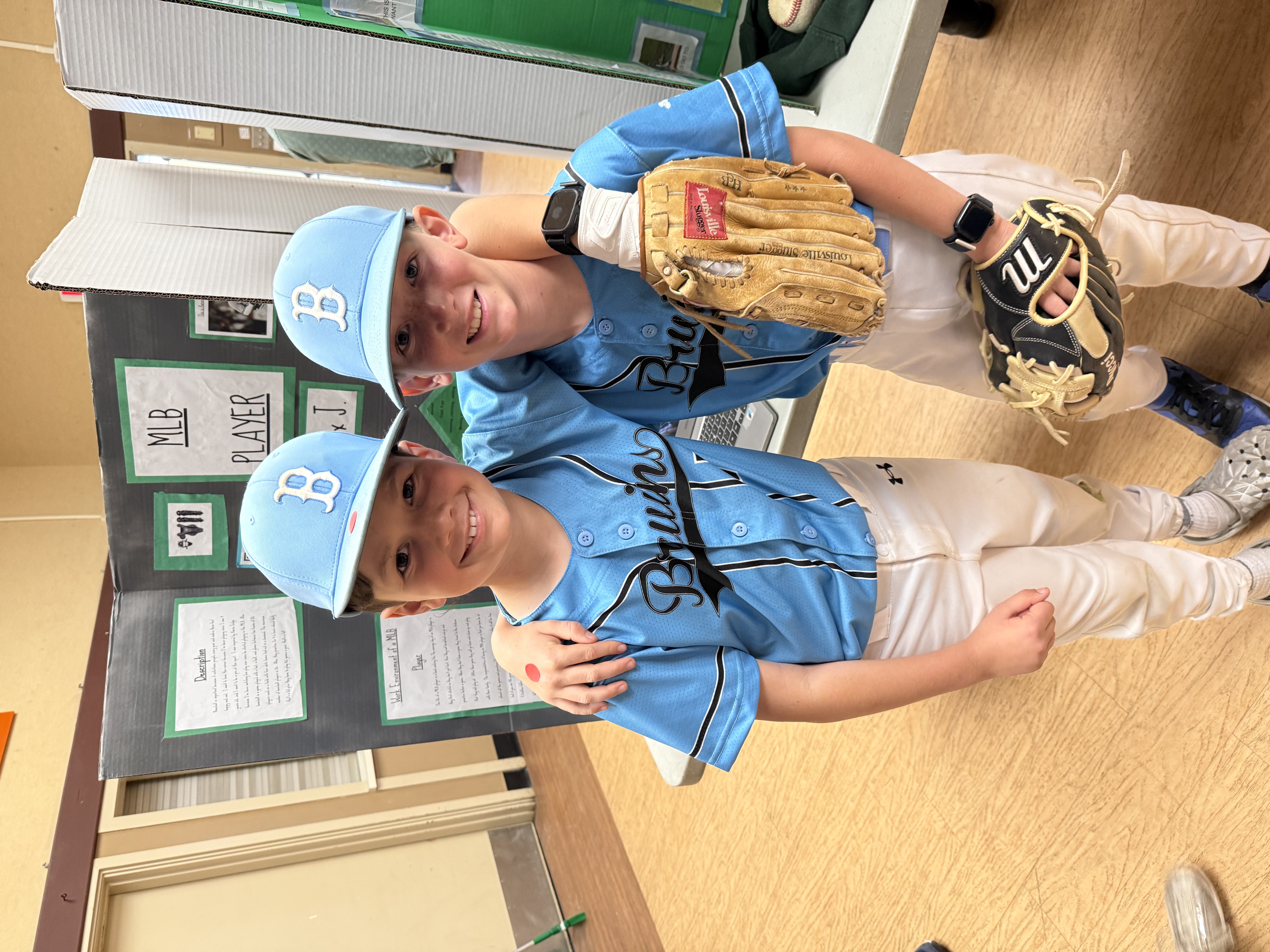
Before the headlines, there were two best friends, a classroom, and a lot of sports talk. Jackson H and Jackson J were only 11 when their school project started turning into something bigger. Their story is not about having a perfect business plan on day one. It is about noticing what they loved, building it together, and taking the next play one step at a time.
The classmates behind the business name
Jackson H and Jackson J were classmates and best friends who brought a natural teammate energy to the project. They were not trying to act like grown-up executives in tiny suits. They were two kids who liked sports, liked style, and wanted to make something that felt like them. That simple beginning is a big reason this kid entrepreneur success story feels so easy to root for.
The name Drip Bros sounds casual because it is. It carries the friendship, the fashion, and the friendly trash talk of two boys working side by side. Their origin story shows how the business grew from a fourth-grade project into a brand built around sports pride and giving back.
How sports, style, and sibling-like teamwork shaped their friendship
Sports gave the boys a shared language. A necklace could be more than an accessory; it could help athletes and fans show their team colors and feel connected to the group. The teamwork part mattered too, because best friends do not always agree on every play. They still have to listen, divide the work, and keep moving after a tiny disagreement that feels, for about three minutes, like the NBA Finals.
That mix of friendship and team spirit became central to the business. The Drip Bros make sports-themed necklaces for athletes, teams, and fans, with the larger goal of helping people proudly represent where they belong. It is a small product with a clear emotional job: make team pride visible.
The classroom assignment that started the whole play
The first Drip Bros step happened as a fourth-grade school project. A classroom assignment gave Jackson H and Jackson J a reason to turn their shared interests into an actual idea instead of leaving it as hallway conversation. They had room to test the concept, explain it, and see whether other people understood the point.
That setting matters because school projects usually have a finish line. This one gave them a starting line instead. The boys learned that a simple assignment can become a real experiment when you treat the work seriously without taking yourself too seriously.
Why their first idea felt more fun than a typical school project
The project connected to things the boys already cared about: sports, style, friendship, and community. Instead of making a pretend product that disappeared after presentation day, they created something people could wear and use to show team pride. The fun was part of the fuel, not a distraction from the work.
Stories about young founders often begin with that same spark. Other young entrepreneur stories show how kids can start with creativity and determination before they have every skill figured out. The Drip Bros version simply began with two friends asking what would make sports style feel more personal.
2. The problem that turned into a business idea
The problem behind the idea was not a giant crisis with a dramatic soundtrack. It was the everyday question of how athletes and fans can show team unity and pride. Team colors live on jerseys, bags, shoes, and signs, but a wearable piece of spirit can travel wherever the player goes. That made necklaces a practical, fun way to represent a squad.
The boys could explore the idea in their own circles first. Friends, classmates, teammates, and families offered a nearby group of people who understood game-day excitement. That is a pretty good testing ground when your founders are 11 and your research budget is roughly “whatever is in the pencil cup.”
Spotting an everyday challenge in their own sneakers and gear
Jackson H and Jackson J were close to the challenge they wanted to address because sports were already part of their lives. They saw how much athletes care about belonging to a team and showing its colors. The opportunity was to make that pride feel a little more personal, more visible, and more fun away from the field too.
This kind of observation is often where a good business starts. The boys did not need to invent a brand-new sport. They noticed a familiar feeling and shaped a product around it. The result was a line of sports-themed necklaces designed for athletes and fans.
How the bros tested whether other kids had the same problem
Their first audience was close by: classmates, teammates, school communities, and other sports fans. Talking with people in those circles could reveal which colors, styles, and ideas felt exciting rather than merely okay. For young founders, informal conversations are often the first version of market research.
A useful test does not have to be complicated. It can begin with a few straightforward questions:
- Would you wear this to a game?
- Does it feel connected to your team?
- Which colors or details stand out?
- What would make it more comfortable or fun?
Those answers help separate a cool-looking idea from something people actually want. The more clearly the boys listened, the easier it became to shape the project around real team spirit instead of guessing from the bench.
Turning a messy frustration into a simple product or service
The business idea became clearer when the boys focused on one simple promise: give athletes and fans sports-themed necklaces they can use to represent their teams. The product does not need a ten-step explanation. It connects style with team identity, which is easy to understand before practice, during a game, or while hanging out afterward.
The brand also connects purchases with support for KEEN USA, helping children of all abilities enjoy sports. That gives the idea another layer without making it confusing. Team pride is the front of the jersey; inclusion and giving back are part of the team behind it.
The early version that was more “rookie season” than championship form
Every first version has rough edges. Two 11-year-olds learning by doing would naturally have to work through choices about designs, presentation, ordering, and communication. A school project can look neat on a poster while still needing plenty of practice in the real world.
The right response is not pretending the first attempt was flawless. It is noticing what needs work and making the next version better. That rookie-season attitude leaves room for mistakes, questions, and the occasional “bro, maybe try that again.”
3. Building the first Drip Bros game plan
A product idea can be exciting and still need a plan. The Drip Bros had to move from “this would be cool” to decisions about what they offered, how they presented it, and who might want it. Their age made the project unusual, but it also made the learning visible. They were building business habits while still doing homework.
A plan did not mean draining all the fun out of the project. It meant giving the fun somewhere to go. The boys could keep the bold sports energy while making sure the practical pieces did not wander off like a baseball in tall grass.
Dividing roles without turning every decision into overtime
Best friends can share a vision and still have different strengths. One might enjoy talking to customers, while the other prefers organizing ideas or thinking through designs. Dividing responsibilities gives each person a clear assignment and keeps one person from trying to run the entire operation during a snack break.
The goal is not to create a rigid office chart. It is to know who is handling the next play and when to check in with each other. That kind of teamwork helps young founders stay friends while the project gets busier.
Choosing a name, look, and brand personality kids would remember
“Drip Bros” is short, playful, and connected to the way young athletes talk about style. The name feels like a team nickname, which makes it easier to remember and share. The look can then build around the same personality: sporty, confident, colorful, and not too serious.
The brand’s full necklace collection keeps that focus on sports-inspired necklaces for athletes and fans. A clear identity helps people understand what the business is about before the boys have to give the full locker-room speech.
Working out supplies, pricing, and the first tiny budget
Even a small product requires decisions about materials, quantities, prices, and how orders will reach customers. A first budget does not have to be huge to teach useful lessons. It simply needs to show what comes in, what goes out, and whether the idea can keep moving without running out of gas.
Young entrepreneurs can keep the first pass simple by tracking a few basics:
- What supplies or products are needed?
- How much does each item cost?
- What price feels fair to customers?
- Which expenses happen before a sale?
Writing those answers down turns fuzzy math into something the team can discuss. It also makes it easier to spot a problem before it becomes a full-court press on the budget.
Learning why a cool idea still needs an actual plan
The boys’ story shows that creativity gets attention, but consistency keeps a project alive. A plan helps with messages, orders, customer questions, and the less glamorous jobs that still matter. It does not have to sound corporate. It just has to be clear enough for two friends to follow.
That lesson is useful far beyond necklaces. Many child entrepreneur examples show young people starting with a personal idea and learning the practical side as they go. The common thread is not instant perfection; it is the willingness to keep organizing the next step.
4. From classroom experiment to first real customers
The jump from classroom project to real customer is where an idea gets tested for real. A presentation can earn applause, but a customer has to choose the product, enjoy it, and feel that it represents something. For the Drip Bros, that meant taking sports pride beyond the assignment and into the hands of athletes, teams, and fans.
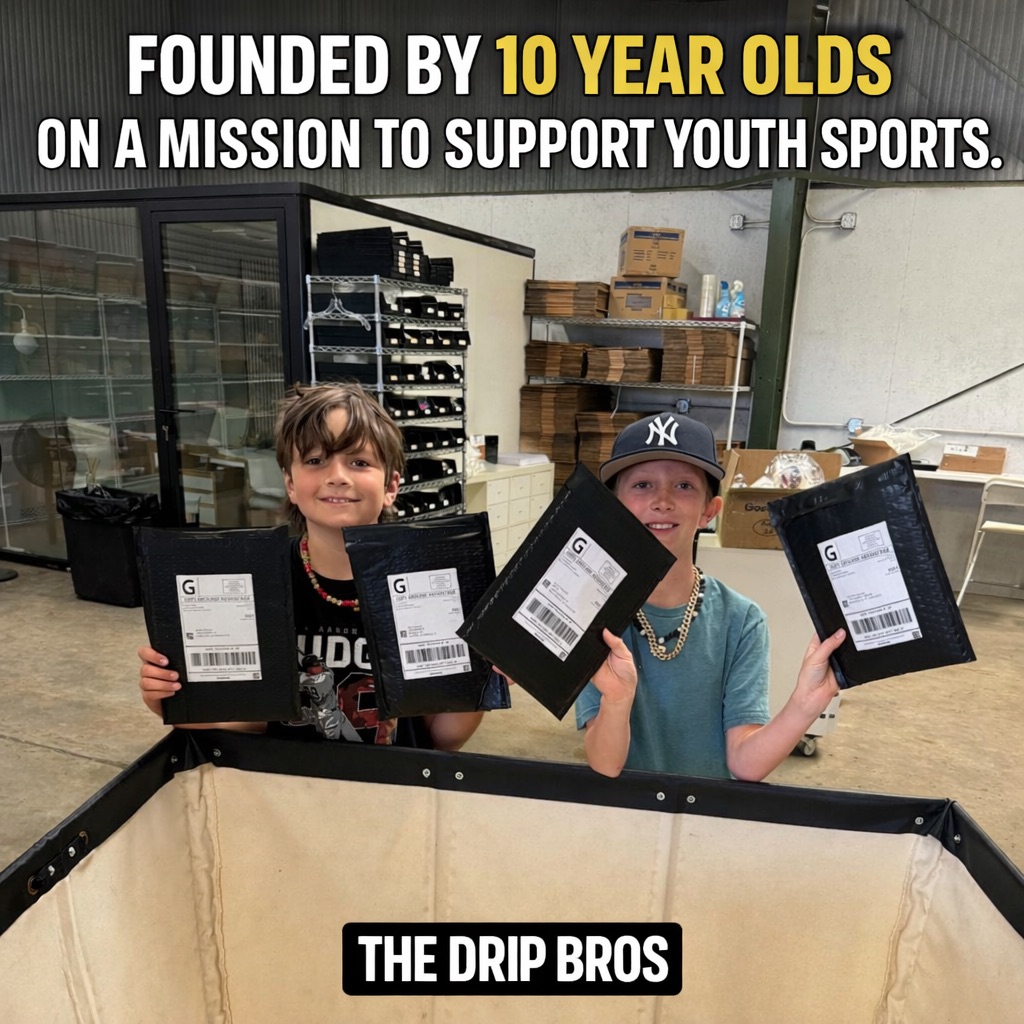
That transition also brought new responsibilities. The boys had to communicate clearly, pay attention to details, and learn from reactions that were not always perfectly polite. A friendly “bro, this needs work” can sting for a second, but it can also be useful coaching.
Making the first sample, demo, or service
The first sample gave the idea something people could see and imagine wearing. Instead of describing team spirit only in words, the boys could show a sports-themed necklace and explain how it helped athletes and fans represent their colors. A physical product makes the conversation much easier: people can look at it, hold it, and picture it on game day.
The important part was not making a giant launch event. It was creating a clear example of what the business stood for. The sample had to communicate sports, style, and the feeling of being part of a team.
Finding early customers among classmates, teammates, and neighbors
The closest communities were the natural first audience. Classmates knew the founders, teammates understood the pride behind the designs, and neighbors could see the project growing. Those early relationships gave the boys a chance to explain the idea in their own words instead of hiding behind a polished advertisement.
The Drip Bros now describe their necklaces as being crafted with care and shipped to teams, schools, and sports enthusiasts nationwide. That wider reach grew from the same basic principle: make something people can use to show where they belong. Their team spirit necklaces fit naturally into that story.
Handling feedback, mistakes, and the occasional “bro, this needs work”
Feedback is where a product stops being only the founders’ idea. People may ask for different colors, a custom detail, or a design that feels more like their squad. Listening does not mean saying yes to every request. It means figuring out which comments reveal a real need and which ones are just someone lobbying hard for glitter.
A calm feedback loop can look like this:
- Hear the comment without getting defensive.
- Ask what the person would change and why.
- Look for patterns across several conversations.
- Make one practical improvement and test it again.
That process turns criticism into coaching. It also teaches a lesson many adults avoid: the person who buys or wears the product gets a vote.
The small win that proved Drip Bros could leave the classroom
The first real customer was a small win, but small wins are how a project earns its legs. Someone outside the classroom decided the product was worth choosing, wearing, or sharing. That moment confirmed that team pride could travel from a school assignment into a wider community.
The business also links that community feeling to a charitable purpose. A portion of purchases supports KEEN USA, which provides opportunities for children of all abilities to enjoy sports. The necklace becomes a reminder that a team can be stylish, welcoming, and generous at the same time.
5. How a kid entrepreneur success story reached local news
Local news loves a story with a clear human center, and two 11-year-old best friends turning a fourth-grade project into a business certainly has one. The appeal is not only that the founders are young. It is that their idea grew from friendship, sports, and a desire to help more kids feel part of the game.
A community story can also show entrepreneurship in a less flashy way. There is no need for a giant office or a dramatic pitch. Sometimes the strongest story is two classmates figuring out a product, listening to people around them, and showing up for the work.
The moment their project became a community story
The project became newsworthy when it represented more than a classroom grade. It reflected a local friendship, a youth-led business, and a connection to inclusive sports. Those ingredients gave neighbors and reporters a reason to pay attention.
The Drip Bros news coverage centers on sports, team spirit, giving back, and the journey from school project to a broader movement. That is a much better headline than “two kids successfully finish worksheet,” although the worksheet deserves respect too.
What made the Drip Bros stand out to local reporters
The boys had a story that was easy to picture and easy to explain. They were best friends, they were only 11, and they had built something around a shared love of sports. The mission connected the style element to a larger purpose, which made the story feel meaningful rather than merely cute.
Good reporting also depends on useful details and transparent information. For anyone building a public story around a project, research-led storytelling can help turn scattered moments into a clear, credible account. The lesson applies even when the founders are wearing sneakers instead of loafers.
Preparing for interviews, photos, and unexpected attention
Attention can arrive quickly, especially when a local story travels through schools, families, and sports communities. Preparing means knowing the basic story, answering honestly, and remembering the people who helped along the way. It also means being ready for photos where someone says, “Give us a natural smile,” and everyone immediately forgets how faces work.
The best interviews would keep the focus on what the boys actually did: starting with a school project, creating sports-themed necklaces, working as a team, and supporting inclusive youth sports. Clear answers are more memorable than trying to sound older than 11.
Balancing schoolwork with the sudden spotlight
News attention does not cancel math, reading, practice, or bedtime. The boys still had to be students while handling the excitement of being young business owners. That balance calls for help from adults, realistic schedules, and permission to say, “We can answer that after homework.”
A spotlight should support childhood, not swallow it. The healthiest version of the story leaves room for school friends, sports, family time, and the occasional afternoon spent doing absolutely nothing productive.
6. The lessons behind the Drip Bros' breakout
The Drip Bros story is fun because it has necklaces, sports, and two friends with plenty of energy. It is useful because the underlying lessons are practical. A real need can be small, a first plan can be rough, and teamwork can turn a classroom idea into something other people want.
The boys did not need to wait until they were adults to begin learning those lessons. They started with the world they knew and kept adjusting as the project reached more people. That is the part aspiring young founders can copy, even if their idea has nothing to do with game-day style.
Why solving a real problem beat chasing a trendy idea
Team identity is a real feeling, not a passing internet trend. Athletes and fans want ways to represent their colors, celebrate their group, and feel connected. By focusing on that need, the boys gave the product a reason to exist beyond simply looking flashy.
That approach shows up in many kidpreneur success stories: the strongest ideas often begin with an everyday challenge or a familiar passion. A trend might get attention for a week. A useful connection gives people a reason to come back.
What teamwork taught them about dividing the workload
Running a business with your best friend takes more than matching energy. It takes communication, patience, and a willingness to handle jobs that are not your favorite. The boys learned that sharing the spotlight also means sharing the boring stuff, from organizing details to answering questions.
Their work reflects the same team spirit they want their customers to show. When both founders contribute, the business feels less like one person’s project and more like a shared jersey. That makes the wins more satisfying and the mistakes easier to fix.
How customer feedback helped them level up
Customers gave the boys information they could not get from a classroom poster. Their reactions helped clarify what people liked, what they wanted to customize, and how the necklaces fit into sports life. Listening to that feedback made the business more responsive and less stuck in its first draft.
A good founder does not treat feedback as a scoreboard with only wins and losses. It is closer to practice film. Watch it, notice the missed plays, and decide what to work on next.
A small idea grows when its makers keep listening.
That mindset is useful for any young team. Feedback does not have to erase the original personality of a project; it can help the project become more useful while keeping its heart.
The next play for two young entrepreneurs with momentum on their side
The next play is not about rushing to become a huge company. It is about continuing to serve athletes, teams, and fans with sports-themed necklaces while keeping the mission visible. Custom requests and team-focused options can give communities more ways to show their colors and feel connected.
The custom necklace options offer one path for teams and fans who want a more personal design. And readers who want to support the project can shop team styles while keeping the bigger idea in view: sports are more fun when more kids get to be part of them.
Bring the Team Spirit Forward
If this story made you want to rep your squad, explore sports-themed necklaces from The Drip Bros and find a style that feels like your team. A purchase can show team pride while supporting the mission to help children of all abilities enjoy sports.
Conclusion
The Drip Bros began with two best friends and a fourth-grade project, then grew through teamwork, customer feedback, and a clear love of sports. Their story proves that a young entrepreneur does not need a perfect first draft—just a real idea, a supportive team, and the courage to take the next play.
Frequently Asked Questions
How do children usually discover business ideas?
Many children notice a small problem in daily life, connect it to a hobby, or build on something they already enjoy. Their first idea often comes from school, sports, crafts, family routines, or conversations with friends.
Why can a school project become a real business?
A school project can provide a safe place to test an idea, explain its purpose, and hear early reactions. If people outside the classroom find the idea useful or enjoyable, the project may have room to grow.
What makes a young entrepreneur story inspiring?
A strong story usually shows the work behind the idea, including practice, mistakes, teamwork, and learning. The founder’s age may draw attention, but persistence and problem-solving make the story meaningful.
How can kids test whether people want a product?
They can show an early sample to trusted classmates, teammates, neighbors, or family members and ask clear questions. Repeated feedback can reveal which features people notice and what changes might make the product more useful.
Why is teamwork helpful for young entrepreneurs?
Teamwork lets young founders share responsibilities and combine different strengths. It also gives them someone to encourage them when a decision is difficult or an early version does not work as planned.
What should children learn before selling something?
They should understand what the product does, who might want it, what it costs to make or obtain, and how customers will receive it. Adult guidance is also helpful for safety, money handling, communication, and schedules.
How can families support a child’s business idea?
Families can listen, ask thoughtful questions, help create a reasonable plan, and protect time for school, rest, and play. Encouragement works best when it supports learning rather than demanding instant success.