
Why We Manufacture Our Own Designs Instead of Reselling Generic Beads
Generic beads look like the benchwarmers of sports jewelry
A sports necklace should feel like part of the uniform, not like something grabbed from a clearance bin five minutes before first pitch. Generic beads can be fine for a quick craft project, but they rarely capture a team’s personality. When every catalog uses the same shapes and color mixes, the jewelry starts blending into the crowd. That is why making original designs matters.
Why off-the-shelf designs all start to look the same
Most ready-made bead catalogs work from a limited menu: a few colors, familiar sizes, and the same basic stringing pattern. One team gets red and black, another gets blue and white, and suddenly everybody looks like they ordered from the same dugout. A custom piece should give players something that feels connected to their own number, mascot, or team story.
That does not mean every necklace needs to look wild. Sometimes a clean two-tone design says more than a pile of random decorations. The difference is that the choices should be intentional, so the final piece feels like team gear rather than a generic accessory.
The hidden limits of reseller catalogs
A reseller usually chooses from what a supplier already makes. If the clasp is awkward, the bead finish is too shiny, or the proportions feel off, the reseller may have little ability to change it. The catalog can look huge while still offering only a few real design decisions.
The same problem shows up when a team wants a small tweak. Maybe the number charm needs to sit differently, or the necklace needs a youth-friendly length. Waiting for a third party can turn a simple adjustment into a long email chain, and nobody wants that before tournament weekend.
How generic materials can weaken comfort and durability
Players move a lot. They run, slide, swing, celebrate, and occasionally get tangled in a team huddle that looks like a pileup. A necklace needs smooth surfaces, sensible sizing, and a closure that does not feel like it is fighting the wearer.
Material choice also affects how a piece feels during regular use. A necklace that looks great in a product photo may feel heavy, scratchy, or fussy after a full practice. Comfort is part of performance, even when the necklace is cheering from the sidelines instead of scoring the runs.
Why “custom” should mean more than adding a logo
Putting a logo on a stock necklace is personalization, but it is not always true custom design. Real customization considers the whole object: bead rhythm, contrast, scale, finish, charm placement, and how the piece looks from a few feet away. The logo should be one player on the roster, not the entire starting lineup.
For a useful comparison, even custom cabinetry is defined by designing and building around a specific space rather than simply decorating a stock cabinet. Sports jewelry follows the same basic idea: the design should begin with the people who will wear it.
What a custom sports necklace manufacturer actually controls
A true custom sports necklace manufacturer has influence over more than the final color choice. The work can include concept development, component selection, assembly decisions, and revisions before a larger run begins. That control makes it easier to solve small problems while they are still small. It also gives teams a clearer path from “what if?” to an actual necklace.
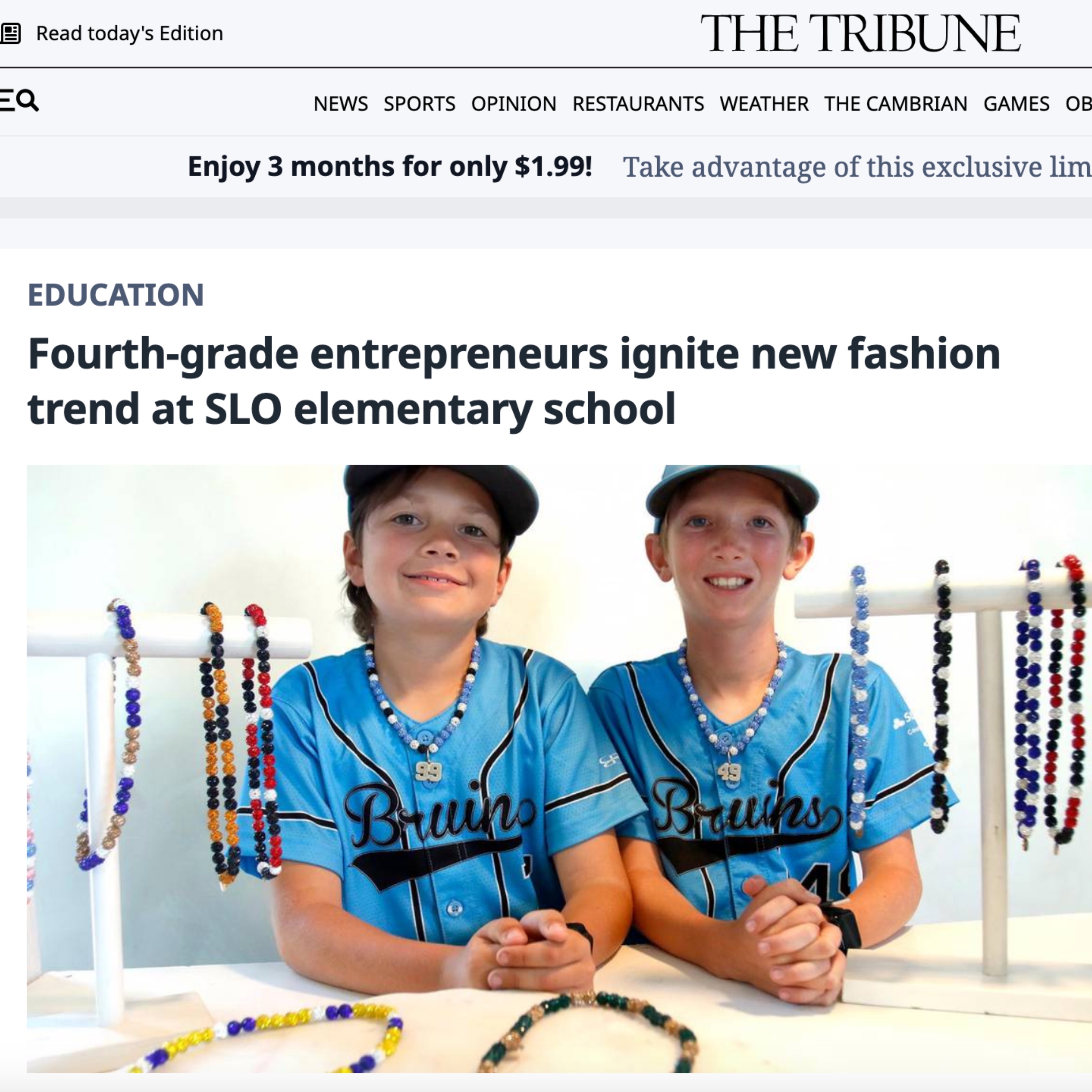
The Drip Bros grew from a fourth-grade school project into a business creating sports-themed necklaces for athletes, teams, and fans. That background makes the design process feel personal: the goal is not just to put beads on a string, but to make something young players are excited to wear.
From first sketch to wearable prototype
A sketch is where the idea starts, not where it ends. A wearable prototype reveals whether the colors are balanced, whether the charm sits naturally, and whether the necklace feels right at the intended length. It is much easier to fix a layout on a sample than after a whole order has been assembled.
The prototype stage is also where a team can decide what matters most. Maybe the necklace should be bold for photos, slim for practices, or easy to match with several uniforms. Those choices turn a vague idea into a product people can actually use.
Choosing bead shapes, colors, finishes, and closures
Every component changes the mood. Faceted beads catch light, matte beads feel quieter, and metallic details can bring extra game-day energy. A closure should support the design without stealing the show or creating a snag point.
Teams should think in combinations rather than isolated parts. A number charm, for example, works better when its size and finish make sense beside the beads. The best designs have a little rhythm, like a good passing sequence: nothing is doing all the work alone.
Testing how designs move during games and everyday wear
A necklace can look perfect on a table and act completely different once someone is running around. Movement testing means considering bounce, tangling, rubbing, and how the piece sits under or over a jersey. Everyday wear matters too, because many players will keep wearing team gear at school, in the car, and at weekend games.
That practical mindset is similar to why athletes may research Hyperice Normatec as a recovery device: the question is not just what something looks like, but how it fits into an active routine. Jewelry deserves that same common-sense test, even if it has fewer buttons.
Turning team identity into a necklace people want to wear
A necklace becomes more meaningful when it reflects something recognizable. That could be a jersey number, a school color, an inside joke, or a small symbol the whole group understands. The design should make a player feel included without making every person look like a copy.
The Drip Bros describes its origin as a friendship-led school project centered on sports, style, and connection. That is a useful reminder that team jewelry works best when it carries a little story along with the color scheme.
How in-house manufacturing improves quality
Making designs in-house does not magically make every product perfect. It does create a shorter feedback loop between the person imagining the necklace and the person assembling it. Problems can be spotted, discussed, and corrected without passing through several separate companies. That is a big deal when the details are small but the players notice everything.
Quality is also more than whether a bead looks shiny. It includes consistency, comfort, secure connections, sensible sizing, and a finish that matches the original idea. Those checks help a necklace stay game-ready instead of becoming a one-day celebration prop.
Selecting materials for sweat, water, and regular use
Young athletes bring jewelry into active situations, so materials should be considered for sweat, splashes, and repeated handling. The right choice depends on the design, but the goal is straightforward: keep the necklace comfortable and presentable through normal team life.
Care still matters. A basic necklace cleaning routine can help remove residue, reduce odors, and protect cords and clasps. Manufacturing and maintenance are teammates; neither one can carry the whole game alone.
Checking color consistency across every production run
Team colors are not “close enough” when the order is being photographed for banners, team pages, or senior-night memories. A small shift between batches can make matching necklaces look like cousins who arrived at different parties. Consistent sourcing and careful checks help keep the visual identity steady.
This matters especially for reorders. If a new player joins halfway through the season, the replacement necklace should look like it belongs with the original group. Matching is part of the team feeling.
Catching weak links, rough edges, and sizing issues
A hands-on production process gives someone a chance to inspect the places players actually feel: the stringing, connection points, bead edges, clasp, and overall length. Small rough spots can become annoying fast, especially for kids wearing a necklace for hours.
A sensible inspection can include a few simple questions:
- Does the closure hold securely?
- Are the beads smooth and evenly arranged?
- Does the necklace sit at the intended length?
- Do the charms move without snagging?
Those checks are not glamorous, but they prevent the classic “it looked better online” moment. A necklace should survive closer inspection than a referee’s call.
Balancing performance, comfort, and a game-day look
The strongest design usually sits between flashy and wearable. It should have enough color and sparkle to feel special, while remaining light and comfortable for a young athlete. That balance is why a necklace can work at practice, at a game, and at school without looking like a costume.
Even technical products are judged by fit and real use. For example, tattoo cartridges are discussed in terms of precision, hygiene, and consistency. Sports necklaces have different needs, obviously, but the broader lesson holds: details matter when a product is used repeatedly.
Why original designs create stronger team and fan products
Original designs give teams more ways to show who they are. They can make a necklace feel tied to a season, a group of friends, or a favorite position instead of just tied to a color. That emotional connection is what turns a small accessory into something players keep in a gear bag for years.
It also gives families and fans more room to participate. A player may want a number, a parent may want team colors, and a coach may want a simple matching style. One thoughtful design system can make room for all three.
Building necklaces around mascots, numbers, and team colors
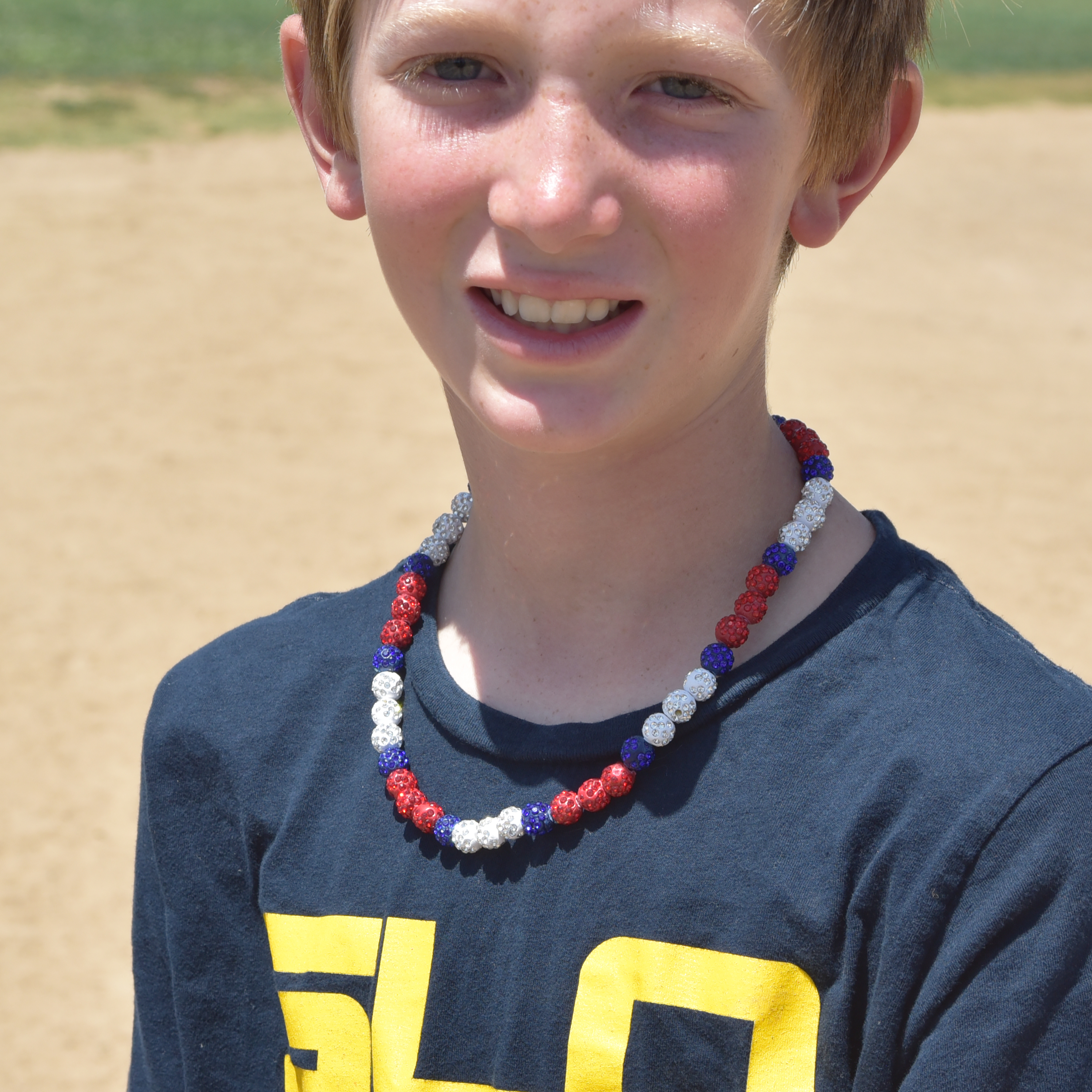
A mascot can guide the shape or accent color. A jersey number can become the personal detail. Team colors can create the base pattern. Together, those elements make the necklace recognizable without needing a giant logo across the front.
The Drip Digits number charms are a good example of a documented way to personalize a sports necklace with a player’s number while keeping the piece connected to team spirit. Number details feel especially natural for youth sports because every player has one, and every player wants people to know it.
Creating signature styles instead of copying the usual chain
A signature style might use an unusual color order, a particular finish, or a repeating bead pattern that becomes associated with one team. It does not need to be complicated. It just needs to be distinctive enough that teammates recognize it from across the bleachers.
The goal is not to chase every trend. A style with a clear identity can last beyond one season, especially when the colors and details still look good with different uniforms and casual clothes.
Designing for players, parents, coaches, and superfans
Not everyone wants the same amount of sparkle or the same fit. Players may prefer lightweight pieces, parents may shop for gifts, coaches may need a consistent team order, and superfans may want something louder for the stands. A thoughtful range respects those differences without splitting the team into totally unrelated products.
That is also why affordability belongs in the design conversation. A guide to budget-friendly team necklaces can help families compare styles, care needs, and prices without making team spirit feel like a luxury purchase.
Making products that look good in photos and on the sidelines
Sports jewelry gets photographed constantly: team pictures, victory shots, birthday posts, and the occasional goofy bus selfie. Color contrast and a clear silhouette help the necklace show up without needing perfect lighting. A design that looks good on a white product backdrop should also look good against a jersey.
The best team accessory is recognizable in a photo and comfortable enough to forget during the game.
That is the sweet spot. If players want to keep wearing it after the final whistle, the design has done its job.
The business advantages of manufacturing instead of reselling
Reselling can be simple, but it puts the seller at the mercy of someone else’s inventory, timing, and design decisions. Manufacturing original pieces gives a business more control over what it offers and how it responds to customers. That flexibility matters when a team suddenly needs more necklaces or a color combination becomes the hit of the season.
It can also make the business feel more honest. Instead of dressing up a stock catalog with big promises, the maker can explain how the design came together and what choices were made. Customers usually appreciate knowing there are real people behind the product.
Moving faster when a trend or team moment takes off
Sports moments move quickly. A tournament win, a new school season, or a popular team color can create demand before a reseller has updated its catalog. A maker with direct control can respond to ideas while they still feel fresh.
Speed does not mean skipping quality checks. It means fewer handoffs between the idea and the finished sample. That can keep a timely product from becoming a late product.
Making practical adjustments without waiting on a third party
A team may discover that a necklace needs a different length, a lighter component, or a revised charm position. When production and design are closely connected, those notes can lead to a practical revision instead of a shrug and a supplier link.
That same principle shows up in Suavinex customization guidance, where safety, materials, and professional methods matter alongside appearance. The product is different, but the lesson is useful: customization should respect how an item is actually used.
Managing small batches, seasonal drops, and larger team orders
A school fundraiser may need a small run, while a league order may require many matching pieces. Manufacturing allows a business to think about those situations as different production jobs instead of forcing every customer into one giant catalog option.
For very large statement pieces, foam turnover chains show how a different construction approach can prioritize lightweight materials, layered depth, and distribution-ready packaging. A regular beaded necklace has its own design needs, but both examples show why production choices should match the use case.
Protecting consistency from the first order to the reorder
Consistency is what makes a reorder feel like a continuation instead of a replacement. Keeping track of colors, dimensions, component choices, and assembly details helps the second order stay connected to the first. That is especially valuable for teams that add players throughout a season.
A reseller may be able to reorder the same listing, but a manufacturer can also understand why the original choices mattered. The difference is subtle until something changes. Then it becomes the whole scoreboard.
How to evaluate a sports necklace manufacturer before ordering
Choosing a custom sports necklace manufacturer is not just about finding the lowest price per piece. You are choosing a partner for design, materials, timing, and the experience players will have when they open the package. A little homework can prevent a lot of awkward team-chat messages later.
Ask for clear answers, look closely at samples, and pay attention to whether the company understands youth sports. A good manufacturer should be able to discuss the design with you, not just point at a catalog and say, “Pick number four.”
Questions to ask about design ownership and customization
Start by asking what can actually be changed. Can the team adjust colors, numbers, bead patterns, length, finishes, or closures? Is the design created for the team, or is a logo simply added to a stock piece?
It is also worth asking who keeps the design files and how reorders are handled. A clear process protects the team’s identity and makes future orders less confusing. If the answers are vague, the necklace may be custom in name only.
What to inspect in samples and product photos
Photos should show the necklace from more than one angle. Look for the closure, bead spacing, charm placement, surface finish, and how the piece sits on an actual person. A dramatic close-up can hide a lot, so ask for ordinary, well-lit images too.
A sample is even better because it lets you check weight, smoothness, flexibility, and length. If the necklace feels uncomfortable in a quiet room, game day will not improve the situation.
How to compare materials, production methods, and pricing
Price should be compared alongside what you are receiving. Ask whether the quote includes samples, customization, packaging, adjustments, and shipping. Two necklaces can have the same price but very different levels of design attention and quality control.
A useful comparison may include:
- Material and finish options
- Sample and revision policies
- Minimum order quantities
- Production and reorder timing
- Care instructions and packaging
This keeps the conversation grounded. The cheapest quote is not always the best value if the team has to replace uncomfortable or inconsistent pieces halfway through the season.
Red flags that suggest a generic reseller is wearing a fancy jersey
Be cautious when every design is a stock photo, every color request gets the same answer, or the company cannot explain what happens between order and shipment. Other warning signs include unclear sizing, no sample option, mystery materials, and promises that sound much bigger than the details provided.
A manufacturer does not need to make the process complicated. It should simply be willing to explain the choices. If the “custom” necklace comes with one logo box and no meaningful design control, the jersey may be fancy, but the benchwarmer is still running the business.
Start Your Team Design
If your team wants jewelry with real personality, explore custom sports necklaces and build a look players will be proud to wear. Start a custom order with the details that make your group yours.
Conclusion
Manufacturing original sports necklaces creates room for better design decisions, closer quality checks, and products that feel connected to real teams and real players. Generic beads may fill a shelf, but a thoughtful necklace can carry a number, a color story, and a little team pride wherever the season goes.
Frequently Asked Questions
What makes a sports necklace truly custom?
A truly custom necklace involves more than adding a logo to a ready-made piece. It considers the colors, bead pattern, charms, sizing, finish, closure, and overall identity of the team.
Why do generic bead designs often look alike?
Generic designs usually come from a limited catalog of repeated shapes, colors, and patterns. Even when the logos change, the underlying necklace can remain nearly identical.
What materials should a sports necklace handle?
Materials should be selected with normal athletic use in mind, including sweat, splashes, repeated movement, and regular handling. The exact choice depends on the design and intended use.
How can teams check necklace quality before ordering?
Request samples or detailed photos and inspect the bead surfaces, connections, closure, sizing, weight, and charm placement. A sample gives a much clearer sense of comfort than a product photo alone.
Are number charms useful for team necklaces?
Yes. Number charms give each player a personal detail while keeping the overall necklace connected to the team’s colors and shared design.
Should a team order samples before a large batch?
Ordering a sample first is a smart way to check the fit, appearance, comfort, and construction. It also gives the team a chance to make adjustments before committing to a larger run.
How should a beaded sports necklace be cared for?
Follow the maker’s care instructions, clean the necklace gently when needed, dry it fully, and store it away from tangles or rough surfaces. Basic care can help protect beads, cords, and clasps over time.