
How to Clean and Care for Your Beaded Sports Necklace
1. Know what your necklace is made of before cleaning it
Before you grab a towel and start scrubbing like you’re cleaning a dugout, look closely at the necklace. Beads, cord, charms, and clasps can all react differently to water and soap. A quick material check helps you avoid turning a simple cleanup into a snapped-cord emergency.
Identify the bead, cord, and clasp materials
Start by checking whether the beads feel like plastic, ceramic, glass, wood, silicone, or metal. Then inspect the cord: elastic, braided cord, and string do not all enjoy getting soaked. The clasp or charm may need extra care too, especially if it has a finish that could scratch or dull.
If you’re choosing a new piece, custom sports necklaces can help you compare materials and care needs before game day. For the necklace already in your locker, though, gentle handling is the winning play.
Check for team colors, painted details, and printed logos
Team colors and printed logos are part of the fun, but they may not love aggressive cleaners. Look for painted stripes, printed symbols, glossy coatings, or color-changing details. If any part looks layered or decorative, treat it like a jersey graphic: wipe it, don’t attack it.
Spot signs of fragile construction or loose knots
Run your eyes along the whole necklace before cleaning. Watch for beads that wobble, knots that look stretched, tiny cracks, frayed cord, or a clasp that does not close properly. If the necklace is already struggling, cleaning is not the moment to test its playoff toughness.
Why “just dunk it” can turn into a full-on equipment failure
Soaking seems fast, but water can work its way into absorbent materials and weaken some cords. It can also loosen residue around knots or leave moisture trapped between beads. A careful wipe beats a risky dunk when the goal is keeping your necklace ready for another season.
2. Gather your necklace-cleaning gear
You do not need a fancy lab setup for this job. A few gentle supplies, a clear table, and five unhurried minutes are plenty. Keep everything within reach so you are not dragging a wet necklace across the house like a tiny, sparkly slip-and-slide.
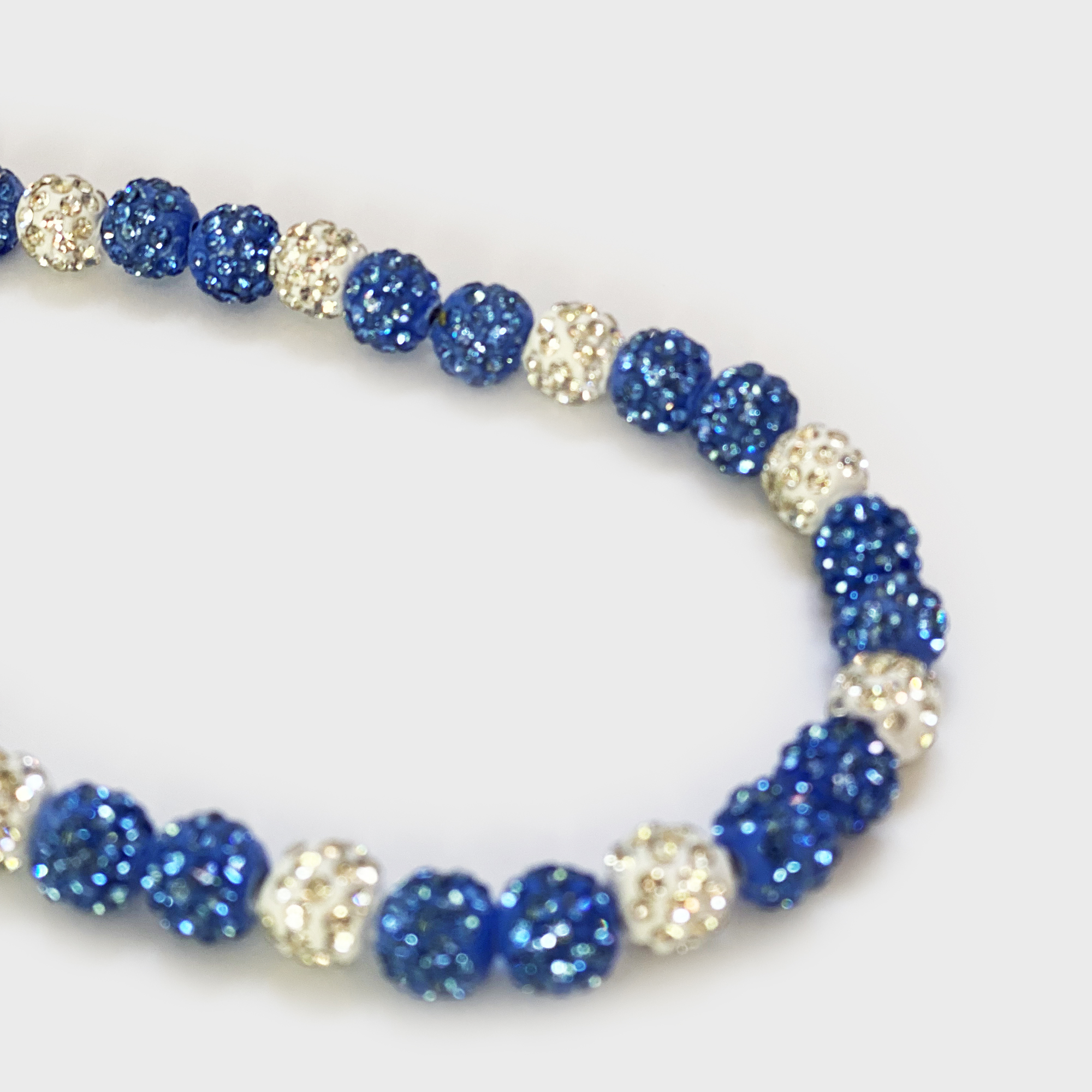
Use lukewarm water and a gentle soap
Fill a small bowl with lukewarm water and add just a little mild soap. The water should feel comfortable, not hot. You are making a light cleaning solution, not soup for the necklace.
Choose a soft cloth, microfiber towel, and soft toothbrush
A soft cloth is best for the beads, while a microfiber towel can remove moisture without rough rubbing. A soft toothbrush works for grooves and tight spaces, but use a light touch. For extra organization, a large laundry bag can keep cleaning towels and small care supplies together instead of floating around your gear pile.
Skip bleach, alcohol, and harsh household cleaners
Bleach, alcohol, strong sprays, and abrasive powders can damage finishes, fade colors, or weaken cord. Even if the necklace looks seriously grimy after a tournament, stronger does not mean smarter. Mild soap and patience are the better teammates.
Set up a safe cleaning zone away from sinks and drains
Work over a dry towel or tray, away from open drains. Tiny beads are talented escape artists, and a sink is basically their championship arena. A well-lit table also makes it easier to notice cracks, loose knots, and dirt hiding around the clasp.
3. How to clean a beaded necklace without wrecking it
Now you’re ready for the actual cleanup. The basic method is simple: remove loose dirt, use very little moisture, clean in small sections, and dry right away. If you’ve been searching for how to clean beaded necklace, this careful wipe-down is the main playbook.
Wipe away sweat, dirt, and game-day grime first
Use a dry, soft cloth to remove dust, skin flakes, and loose dirt before adding water. Start at one end and work toward the other so you do not miss the back of the beads. This first pass keeps grit from rubbing against the surface during the damp cleaning step.
Clean each bead with a lightly damp cloth
Dip the cloth into the soapy water, then wring it out until it is only lightly damp. Wipe each bead one at a time, turning the necklace gently as you go. Rinse the cloth often so you are lifting grime away rather than spreading it around.
If the necklace has a specific finish or decorative style, a general beaded jewelry care guide can offer another material-focused reference. Still, when you are unsure, use less water and stop if the color or surface changes.
Use a soft brush for tight spaces and textured beads
For grooves, raised details, and the edges around accent beads, use a soft toothbrush with the tiniest amount of soapy water. Brush softly for a few seconds, then wipe the area with a clean damp cloth. No need to scrub like you’re trying to erase a bad umpire call.
Keep water away from absorbent cords and delicate clasps
Avoid rubbing water directly into elastic, fabric, or braided cord. Clean the beads around those areas with a nearly dry cloth and give the clasp only a quick wipe. If the cord gets damp, move straight to drying instead of continuing the cleaning session.
4. Handle tough stains, odors, and post-game funk
Sweat, sunscreen, and body oil can leave a necklace feeling sticky after practices and long tournament days. The answer is still gentle cleaning, not a chemical blitz. Work slowly, use small amounts of moisture, and remember that a sports necklace is an accessory—not a dishwasher-safe water bottle.
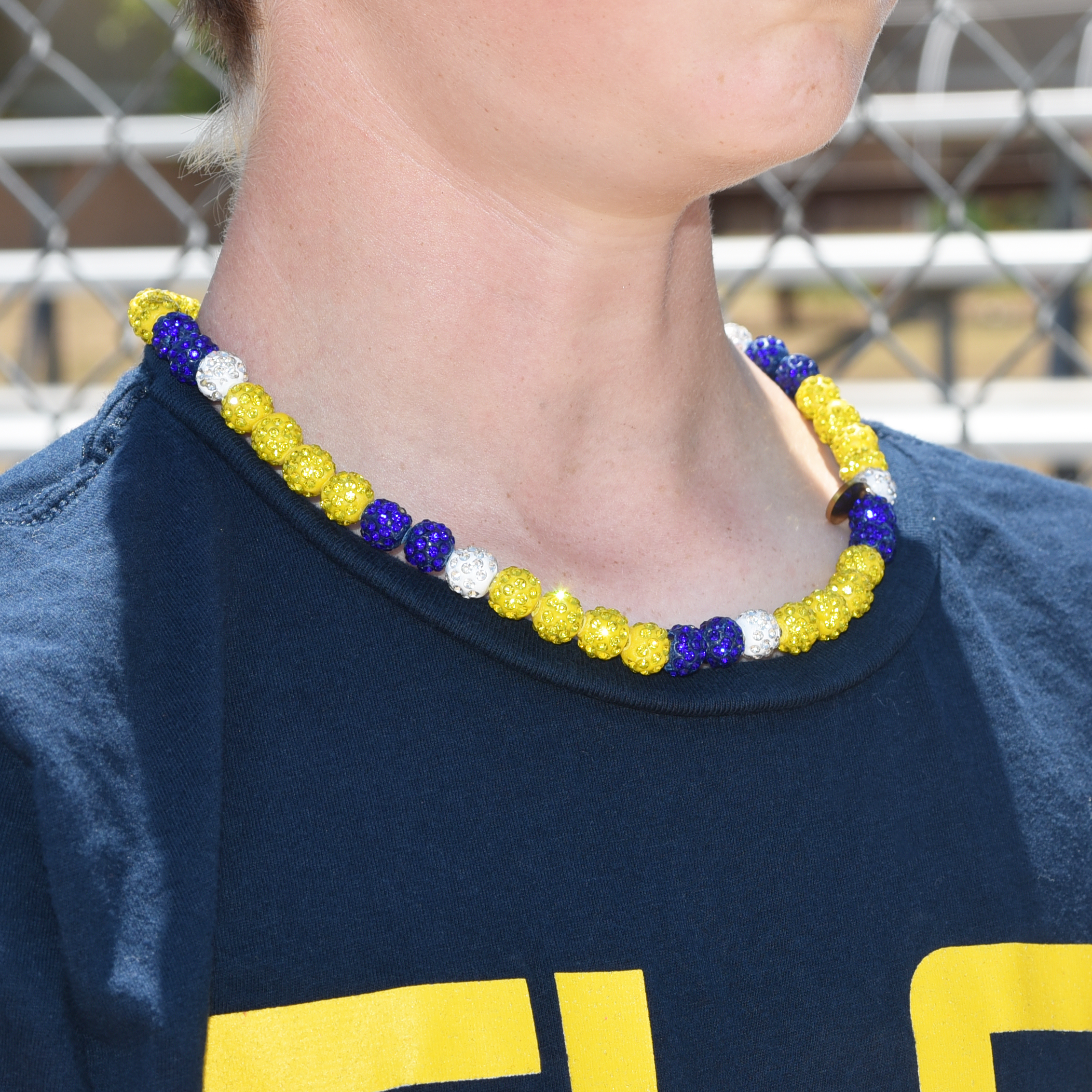
Treat sunscreen, body oil, and sticky residue carefully
Begin with a dry cloth to lift as much residue as possible. Then use a lightly damp, soapy corner of the cloth on the affected beads, changing to a clean section as the residue comes away. If the surface stays tacky, stop and let a parent or adult help identify the material before trying anything stronger.
Remove odors without soaking the entire necklace
Odor usually hangs around because sweat stays on the surface or near the cord. Wipe those areas with a barely damp cloth, then let the necklace air out completely in a clean, shaded place. Do not spray perfume onto it; that may cover the smell for a minute while adding more residue.
Deal with salt and sweat buildup after workouts
Salt can dry into a pale crust around beads, knots, or the clasp. Loosen it with a damp cloth rather than picking at it with a fingernail or sharp object. Afterward, wipe with a clean cloth and move the necklace to a dry towel.
For athletes also thinking about recovery after training, post-workout recovery is a separate concern from jewelry care; keep recovery devices and damp accessories in their own areas. Your necklace does not need to join every piece of equipment in the gym bag.
Test every cleaning method on a hidden spot first
Before cleaning the whole piece, test the damp cloth on the back of one bead or another less visible area. Wait a little and check for fading, cloudiness, stickiness, or finish changes. This small test can save the team colors from an accidental uniform change.
When you are unsure about a material, choose the gentlest method and stop at the first sign of damage.
That rule is not exciting, but it works. A necklace that needs special treatment is better left slightly dirty than permanently dulled.
5. Dry and inspect your necklace like sports gear
Cleaning is only half the job. Moisture left behind can create new problems around cord, knots, and clasps, so drying deserves the same attention as wiping. Think of it like putting away a glove: do not toss it in the darkest, dampest corner and hope for magic.
Pat the necklace dry instead of twisting or wringing it
Place the necklace on a clean microfiber towel and gently pat it. Do not twist, pull, or wring the cord to speed things up. Those moves can stretch the necklace or put extra pressure on the knots.
Lay it flat and let it air-dry completely
Arrange the necklace in a loose line on a dry towel and let air move around it. Keep it flat until the beads, cord, and clasp all feel completely dry. If you need to move it, lift the whole piece instead of dragging one end.
Check for stretched cord, loose beads, and damaged clasps
Once dry, inspect the necklace again. Look for gaps between beads, stretched elastic, fraying, chips, and a clasp that no longer lines up. A quick necklace sizing guide is useful when checking whether a youth necklace still fits comfortably as a player grows.
Avoid hair dryers, radiators, and other heat-related bad decisions
Direct heat can affect finishes, cords, and some bead materials. Skip the hair dryer, radiator, sunny windowsill, and other “I’ll just make it faster” ideas. Room-temperature air is slower, but it is much less likely to create a repair job.
6. Store your necklace so it stays game-ready
A clean necklace can still get wrecked by poor storage. Tossing it loose into a gym bag invites tangles, scratches, and contact with sweaty clothing. Give it a small home where it can rest without getting body-checked by cleats or water bottles.
Keep beads away from moisture, sunlight, and extreme heat
Store the necklace somewhere dry and shaded, away from bathroom steam and hot car interiors. Sunlight may fade some colors over time, while heat can stress cord and finishes. A drawer or room-temperature shelf is a much better locker room.
Prevent tangles with a jewelry pouch or separate compartment
A soft pouch, small box, or separate compartment keeps the necklace from wrapping around keys and chargers. Close the clasp before storing if it has one, and lay the piece in a loose loop rather than forcing a tight coil.
Store it away from jerseys, gym bags, and sweaty gear
Sweaty gear holds moisture and odor, even after practice ends. Keep the necklace separate from jerseys, socks, and towels until everything is clean and dry. This is also where a simple personal organization habit can help: one small spot means less searching before the next game.
Give it a quick pre-wear inspection before the next big play
Before putting it on, check the clasp, cord, and bead alignment. Make sure nothing is cracked or snagged and that the fit still feels comfortable. If you wear a number charm or another accent, check that it is secure before heading out.
7. Build a simple care routine for long-term wear
The best care routine is one you will actually remember. You do not need a dramatic weekly ceremony with theme music and a fog machine. A quick wipe after active wear, plus an occasional deeper clean, keeps small problems from becoming mid-season disasters.
Wipe the necklace after practices, games, and workouts
Use a dry soft cloth after wearing the necklace to remove sweat and surface dust. Pay attention to the back of the beads and the areas near the clasp. This takes less than a minute and makes the next deeper clean much easier.
Clean it more deeply based on how often you wear it
A necklace worn every day may need a gentle deeper cleaning more often than one worn only for games. Let visible grime, sweat, and odor guide you rather than following a strict calendar. Always dry it fully before returning it to storage.
Know when a professional repair beats a DIY fix
If the cord is frayed, several beads are loose, or the clasp is broken, stop pulling on it. A repair by someone experienced with jewelry can prevent more beads from scattering across the dugout. DIY fixes are fine for organizing and wiping, but structural damage deserves a grown-up decision.
Retire or replace the necklace when the materials start breaking down
Sometimes a necklace has simply played its final season. Cracked beads, badly stretched cord, peeling finishes, or repeated clasp failures are signs to replace it. A fresh piece such as the Anchor Faith Drip Beaded Sports Necklace is described as lightweight, comfortable, and durable for game days, practices, and everyday wear, while still giving team spirit a place in the lineup.
Find Your Next Game-Day Drip
When your old necklace has reached retirement, check out shop the collection for a new way to show team pride. Pick a style that feels comfortable, fits safely, and makes you want to step onto the field with confidence.
Conclusion
Clean gently, dry completely, store smart, and inspect your necklace before wearing it. That simple routine keeps your team colors looking sharp and helps your favorite game-day accessory stay ready for the next big play.
Frequently Asked Questions
Can I soak a beaded sports necklace?
It is usually safer to avoid soaking it, especially when the necklace has elastic, fabric cord, wood, painted details, or a delicate clasp. Use a lightly damp cloth instead.
What soap should I use on a beaded necklace?
Use a small amount of mild soap mixed with lukewarm water. Avoid bleach, alcohol, abrasive products, and strong household cleaners.
How do I clean sweat off a beaded necklace?
Wipe the necklace with a dry soft cloth first, then use a barely damp soapy cloth on remaining buildup. Pay special attention to the back of the beads and around the clasp.
Can I use a toothbrush to clean the beads?
A soft toothbrush can help with textured beads and narrow spaces. Use light pressure and very little moisture, then wipe the area clean.
How should I dry my necklace after cleaning?
Pat it with a microfiber or soft towel and lay it flat in a dry, shaded place. Let the entire necklace air-dry before storing or wearing it.
What should I do if the cord looks stretched?
Stop pulling or wearing the necklace if the cord is badly stretched, frayed, or loose. An experienced repair person can assess it, and replacement may be safer if the materials are breaking down.
How should I store a beaded necklace?
Keep it in a dry, shaded place inside a soft pouch, box, or separate compartment. Store it away from sweaty clothing, gym bags, moisture, and extreme heat.