
Fall Sports Season Checklist: What Every Team Needs Before Game One
1. Lock in the season’s game plan
Before anyone starts arguing over who gets first crack at striker, quarterback, or shortstop, get the season on paper. A clear plan keeps coaches, families, and players from playing a separate sport called “Who knows what’s happening?” Use this fall sports season checklist as a shared starting point, then adjust it for your league.
Confirm the schedule, venues, and start times
Pull every practice, game, tournament, and team event into one place. Confirm the venue, field or court, start time, arrival time, parking details, and whether the location has changing rooms or bathrooms. A quick double-check now can save everyone from showing up at the wrong field with confidence.
Set team goals that go beyond “don’t lose”
Winning is fun, obviously. But young teams also need goals they can control, such as hustling back on defense, encouraging teammates, listening during drills, or learning one new skill each week. For a little inspiration about staying steady under pressure, this vestuario advice emphasizes consistency, focus, and maturity.
Assign coaches, captains, managers, and sideline jobs
Write down who handles coaching, attendance, equipment, scorekeeping, substitutions, first aid, and family questions. Captains can lead warm-ups or help welcome new players, while managers can keep the grown-up paperwork from becoming a mystery pile. Clear jobs prevent sideline confusion and give kids useful ways to lead.
Build a calendar for practices, games, travel, and team events
Add school dates, holidays, family commitments, picture day, fundraisers, and rest days to the calendar. Send it to families before the season gets loud, and mark changes clearly instead of burying them in a 47-message group chat. A calendar that everyone can find is basically a quiet assistant coach.
2. Get every athlete cleared and ready
The best season opener is one where every player is approved, informed, and feeling ready to move. Handle health and eligibility details early, because forms have a strange talent for appearing five minutes before warm-ups. Keep sensitive information private and make sure the right adults know what to do if something goes sideways.
Collect physicals, waivers, and emergency contacts
Set a deadline for sports physicals, participation waivers, insurance details, and emergency contacts. Check that names and phone numbers are current, especially if a family changed numbers over the summer. Keep a secure copy with the team’s authorized adults rather than leaving paperwork loose in an equipment bag.
Check eligibility, registrations, and required forms
Confirm each athlete’s registration, age group, school requirements, league payment, and participation status. Make a simple missing-items list and contact families privately when something is incomplete. For questions about testing terms, age, consent, and medical-information limits, review the terms and conditions rather than guessing.
Review medical needs, allergies, and injury protocols
Know about allergies, medications, asthma, previous injuries, and any instructions families have provided through the proper forms. Coaches should understand the league’s process for removing a player from activity and contacting a parent or guardian. Nobody needs to diagnose anything on the sideline; the job is to notice, respond, and get the right help.
Create a plan for heat, hydration, and sudden “my ankle feels weird” moments
Plan water breaks, shaded rest, lighter activity during extreme heat, and a calm process for reporting pain. Encourage kids to speak up early instead of trying to become a sports movie hero. Hydration deserves its own attention, and this electrolyte stamina guide explains the role of minerals such as sodium, potassium, and magnesium during intense or prolonged exercise.
3. Stock the equipment room before it becomes chaos
Equipment should be ready before the first serious practice, not discovered in a dusty bin while everyone is waiting. Young athletes grow quickly, gear gets lost, and one mysterious missing ball can somehow become the whole team’s problem. Inventory by category, mark what belongs to the league, and give every item a home.
Inventory balls, sticks, pads, helmets, and protective gear
Count the basics and note their condition: balls, bats, sticks, cones, nets, pads, helmets, gloves, pinnies, and goalie gear. Check that safety equipment is present and appropriate for the sport and age group. Take a quick photo of the storage area after organizing it so returning items is easier later.
Replace damaged or missing equipment
Remove cracked, badly worn, or unreliable gear instead of hoping it survives one more practice. Make a replacement list with prices and priorities, starting with safety items and equipment needed for participation. If money is tight, ask the league or families about approved donation and reuse options.
Size and fit gear for every player
Have each player try on helmets, pads, gloves, shoes, and other fitted equipment before game day. Check movement, comfort, straps, and whether anything pinches or slides around. Since feet can change a lot during a growth spurt, this sock materials guide can help families think about comfort and performance when choosing athletic socks.
Pack first-aid supplies, athletic tape, ice packs, and basic repair tools
Prepare a clearly labeled sideline kit with first-aid supplies, athletic tape, instant ice packs, bandages, scissors, safety pins, disinfectant, and simple repair tools. Store it where the responsible adult can reach it quickly. Restock after every practice or game, because the kit always seems full until the exact moment someone needs three bandages.
4. Make uniforms and team gear game-ready
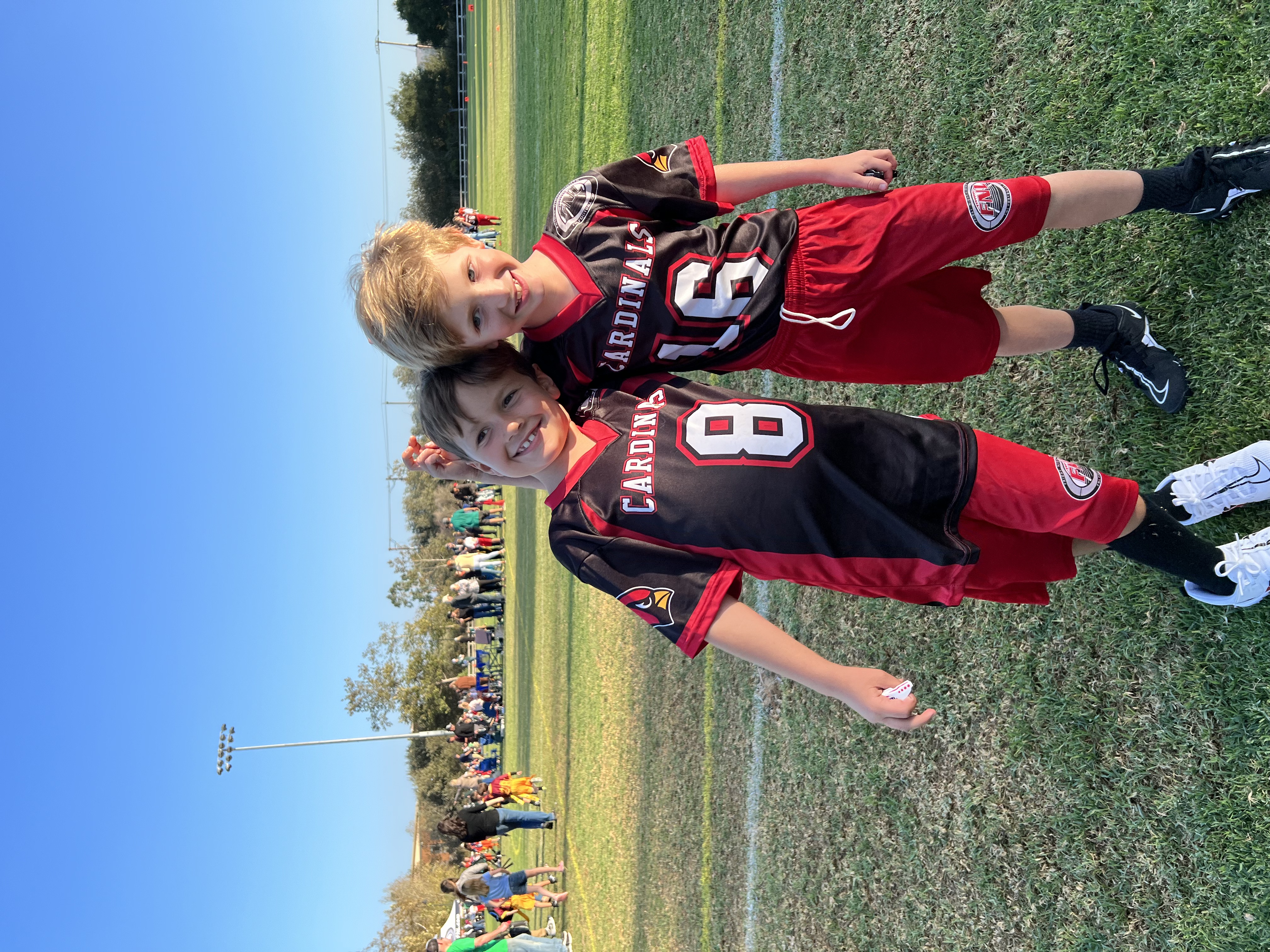
Uniform day should feel exciting, not like a giant clothing scavenger hunt. Sort jerseys, shorts, socks, warm-ups, and weather layers by player before the first game. Team gear can also build connection, as long as it stays comfortable, age appropriate, and separate from anything that could interfere with play.
Confirm jersey numbers, sizes, and uniform requirements
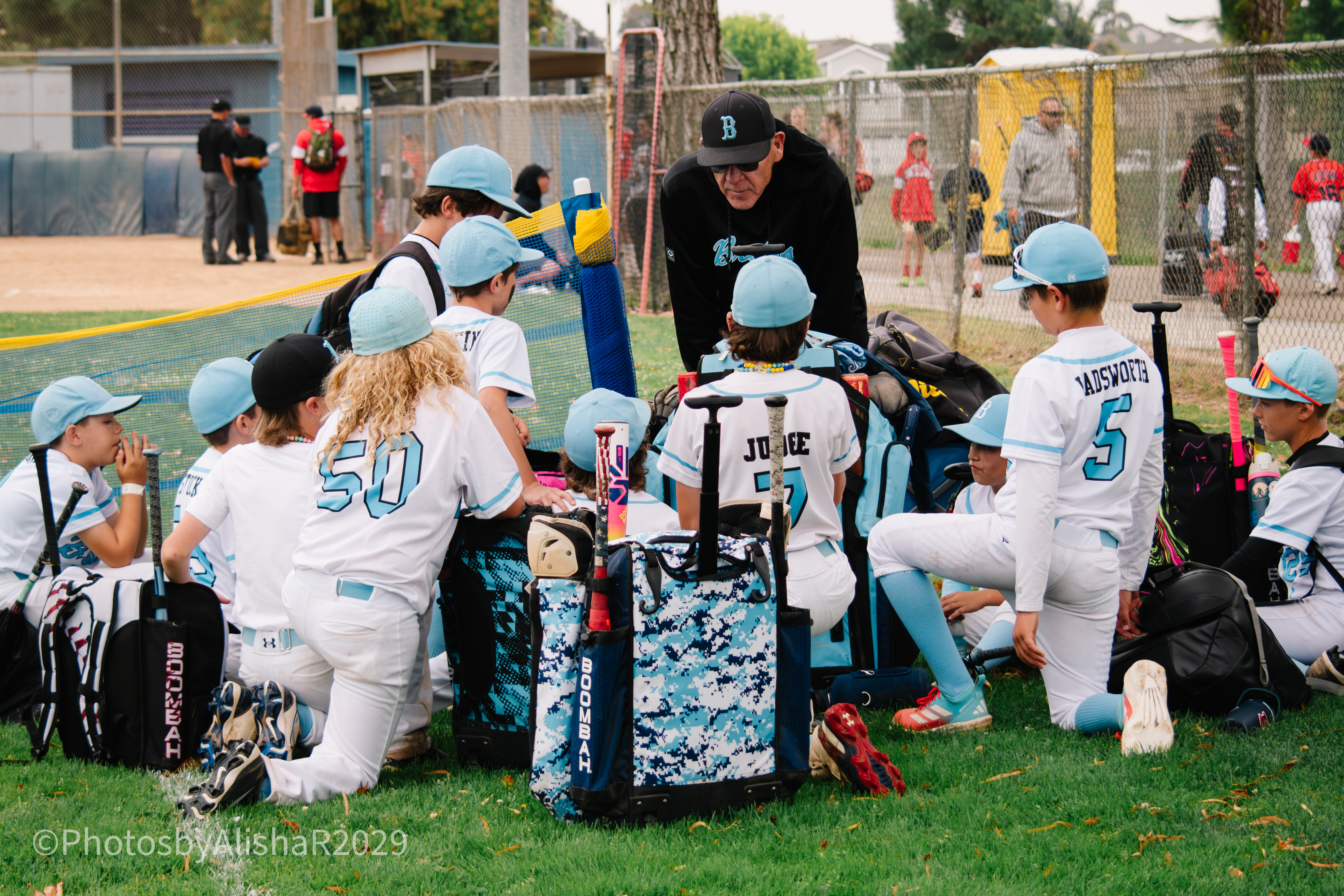
Create one roster showing each player’s name, jersey number, size, and required pieces. Check league rules for colors, socks, undershirts, jewelry, and alternate uniforms. Have players try everything on early so a too-small jersey can be solved before the team photo turns into a comedy sketch.
Prepare practice gear, warm-ups, and weather layers
Practice clothes should allow movement and handle changing temperatures. Pack sweatshirts, rain shells, hats, extra socks, and a dry shirt when the forecast is uncertain. Families can also browse custom team necklaces as a team-building option, but any accessory must be removed when league rules or safety require it.
Label shared equipment and personal belongings
Use removable labels, initials, or color marks on water bottles, bags, helmets, and shared gear. Keep a lost-and-found bin at practice and check it weekly. When eleven athletes own nearly identical black hoodies, labels stop the post-game hoodie shuffle before it begins.
Set a laundry and post-game gear routine
Decide who takes home jerseys, pinnies, towels, and shared practice gear, and when they return. Air out damp items quickly and avoid leaving sweaty clothes sealed in a bag overnight. A two-minute cleanup habit after every game is much easier than a giant laundry rescue on Sunday night.
5. Prepare the team to play, not just look busy
A team can have matching uniforms and still look like eleven unrelated people waiting for snacks. Preseason is the time to build movement, communication, confidence, and good habits without cramming everything into one exhausting practice. Keep instruction clear, let kids ask questions, and leave room for fun.
Build a preseason practice plan
Start with simple sessions that include movement preparation, skill work, small-group practice, game-like decisions, and a short cooldown. Increase intensity gradually and balance hard days with easier ones. The broader fall prep guide also points to gradual conditioning, sleep, and a steady routine for young athletes.
Review rules, positions, signals, and game situations
Walk through the rules players actually need for their age group, then practice them in small examples. Review positions, substitutions, signals, restarts, and what to do when the plan changes. Kids remember better when the explanation is followed by a quick demonstration instead of a twenty-minute lecture from midfield.
Run scrimmages that expose weak spots
Use scrimmages to test communication and decision-making, not just to declare a winner. Try unusual situations: playing from behind, defending a lead, starting without a key player, or handling a confusing call. Afterward, ask what felt easy, what felt messy, and what the team should practice next.
Teach warm-ups, cooldowns, and recovery habits
Show athletes how to arrive ready to move, cool down gradually, drink water, eat regular meals, and sleep enough for their schedule. Recovery is not a punishment or a boring extra; it helps the body handle repeated practices. Even a short routine becomes useful when the whole team does it together.
6. Handle game-day logistics like pros
Game day works best when the team is not improvising every detail from the parking lot. Plan the boring stuff so players can focus on playing, cheering, and remembering which way they are going. Parents appreciate clear instructions too, especially when the field is behind a building behind another field.
Plan transportation, arrival times, and parking
Share the address, recommended arrival time, parking instructions, carpool plan, and pickup process. Build in extra time for traffic, bathroom breaks, and the inevitable missing water bottle. If families are driving separately, identify one meeting point that is easy for everyone to spot.
Pack water, snacks, sunscreen, and weather protection
Pack enough water for the event, simple snacks that families know their children can eat, sunscreen, hats, rain gear, blankets, and extra layers. The morning habits guide includes practical reminders about water, food, sunlight, movement, and consistency that families may find useful for busy school-and-sports days. Check the forecast before leaving, because fall weather enjoys plot twists.
Assign responsibilities for setup, scorekeeping, and cleanup
Make a game-day list with names for field setup, bench organization, scorekeeping, photography, equipment collection, and cleanup. Rotate jobs so the same parent is not carrying every cone and folding every chair all season. Tell everyone what “done” looks like before the game begins.
Confirm officials, field access, locker rooms, and facility rules
Contact the league or facility ahead of time to confirm officials, access windows, locker rooms, bathrooms, field markings, and prohibited items. Know where the team should wait if the field is occupied. A quick confirmation call can prevent a whole squad from standing outside a locked gate in matching socks.
7. Get communication and backup plans on point
Good communication does not mean sending more messages; it means sending the right message in one dependable place. Families should know where to find times, locations, changes, and urgent updates. Build backup plans while everyone is calm, not while thunder is making the scoreboard nervous.
Choose one reliable channel for team updates
Pick one primary channel for schedule changes and team announcements, then explain how urgent messages will be handled. Keep posts short, include the date and location, and avoid mixing jokes with details that people need to find quickly. A shared calendar can handle routine information while the team channel handles changes.
Share expectations with athletes and families
Explain attendance, punctuality, sportsmanship, playing-time communication, sideline behavior, uniform rules, and how concerns should be raised. Use plain language that eleven-year-olds can understand and adults cannot pretend they missed. For families considering a fundraiser, this team spirit fundraiser guide covers goals, timelines, gear choices, customization, and pricing considerations.
Create a plan for rain, heat, cancellations, and delays
Decide who monitors weather, who contacts the facility, when a cancellation is announced, and where families should wait for an update. Make separate plans for delayed starts, shortened practices, indoor moves, and unsafe conditions. Put the rule in writing so nobody has to interpret a coach’s three-word text during a storm.
Keep emergency contacts and key documents easy to find
Store the roster, emergency contacts, medical instructions, facility details, league rules, and insurance information in a secure location accessible to authorized adults. Bring the needed information to games without displaying private details publicly. Review the folder once a month and remove old contacts or expired forms.
Conclusion
A strong season starts with ordinary details handled early: a confirmed schedule, cleared athletes, safe equipment, organized uniforms, purposeful practices, and clear communication. Once those pieces are in place, the team can spend less energy hunting for gear and more energy learning, competing, and having a ridiculous amount of fun together.
Rep the squad
When your team is ready for a little extra spirit off the field, shop team gear from The Drip Bros and find a fun way to show the squad’s colors.
Frequently Asked Questions
When should a youth team start preparing for fall sports?
Start several weeks before the first practice when possible. That gives families time to complete physicals and forms, check equipment fit, organize schedules, and build activity gradually instead of rushing everything at once.
What documents should every young athlete have ready?
Common requirements include a current physical, participation waiver, registration, emergency contacts, insurance information, and medical or allergy details. Requirements vary by school and league, so confirm the exact list with the team or governing organization.
How can a team check whether equipment still fits?
Have each athlete try on fitted gear while moving, bending, and fastening every strap. Check for damage, discomfort, slipping, and restricted movement, then replace or repair anything that is no longer safe or suitable.
What should families pack for a fall game?
Pack the uniform, sport-specific equipment, water, a simple snack, sunscreen, weather layers, and any personal medical items. Extra socks and a dry shirt are especially handy when fields are wet or temperatures change during the day.
How can coaches prepare players without overtraining them?
Use gradual conditioning, varied practices, rest days, warm-ups, cooldowns, and game-like drills. Watch for unusual pain, exhaustion, or behavior changes, and follow the team’s health and injury procedures when concerns arise.
What is the best way to handle weather cancellations?
Choose one person to monitor conditions and one communication channel for updates. Set clear decision times and explain what happens during a cancellation, delay, indoor move, or early dismissal so families are not waiting for several conflicting messages.
How can a team keep game-day jobs organized?
Create a short responsibility list for setup, scorekeeping, equipment, snacks, communication, and cleanup. Assign names before the event, rotate jobs across the season, and review the list briefly when the team arrives.