
What Coaches Should Know About Team Spirit Gear Fundraisers
Get the game plan before ordering a single hoodie
A team spirit fundraiser works best when everyone knows what the money is for, what they are selling, and when the season clock runs out. Coaches do not need another full-time job with a whistle attached, so make the plan simple enough for a family to understand in one message. This coach fundraiser guide starts with the boring stuff because boring stuff prevents fourth-quarter panic.
Define the team goal and fundraising target
Start with one clear target, such as tournament fees, new practice equipment, or travel costs. Write down the total amount, the number of athletes, and a realistic per-player goal so nobody is guessing. Clear math beats hype when parents ask what success looks like.
A simple target also makes updates easier. If the team needs $2,000 and has 20 players, families can see the rough target without needing a calculator, a spreadsheet, and a snack break.
Choose the right fundraiser format for your season
Think about your schedule, your families, and the kind of support your community actually gives. Product sales, online campaigns, donations, and spirit gear stores can all work, but the right choice is the one people can participate in without a heroic amount of chasing.
The best fundraiser partner should match your goals, budget, and expected parent involvement. This fundraiser partner checklist is a useful reminder to compare the model itself, not just the loudest sales promise.
Build a timeline around practices, games, and playoffs
Put the fundraiser on the calendar before you announce it. Choose a launch date, a final order date, a production window, and a delivery day, then check those dates against tournaments, school breaks, picture day, and the weekend when half the roster is visiting grandparents.
Leave a little breathing room. A campaign that ends the night before a big game is asking for a fumble, especially if a size question appears at 9:47 p.m.
Assign roles so the coach does not become the entire front office
Give one adult responsibility for communication, another for order questions, and another for school or league approvals. Athletes can help share the store and explain the goal, while adults handle payments, private information, and the final count.
A short role list keeps the coach focused on coaching. It also makes it obvious who answers the classic parent message: “Quick question—did my order go through?”
Pick spirit gear your fans will actually wear
Spirit gear should feel like something fans want, not homework with a logo on it. Ask what people will wear to games, school, practice, and the grocery store after the game. A small, useful collection usually beats a giant catalog where everyone gets stuck scrolling forever.
Keep the team identity visible, but leave room for personal style. A good fundraiser gives players and families an easy way to show they are together without making every person dress like the mascot’s identical twin.
Compare shirts, hoodies, hats, and game-day accessories
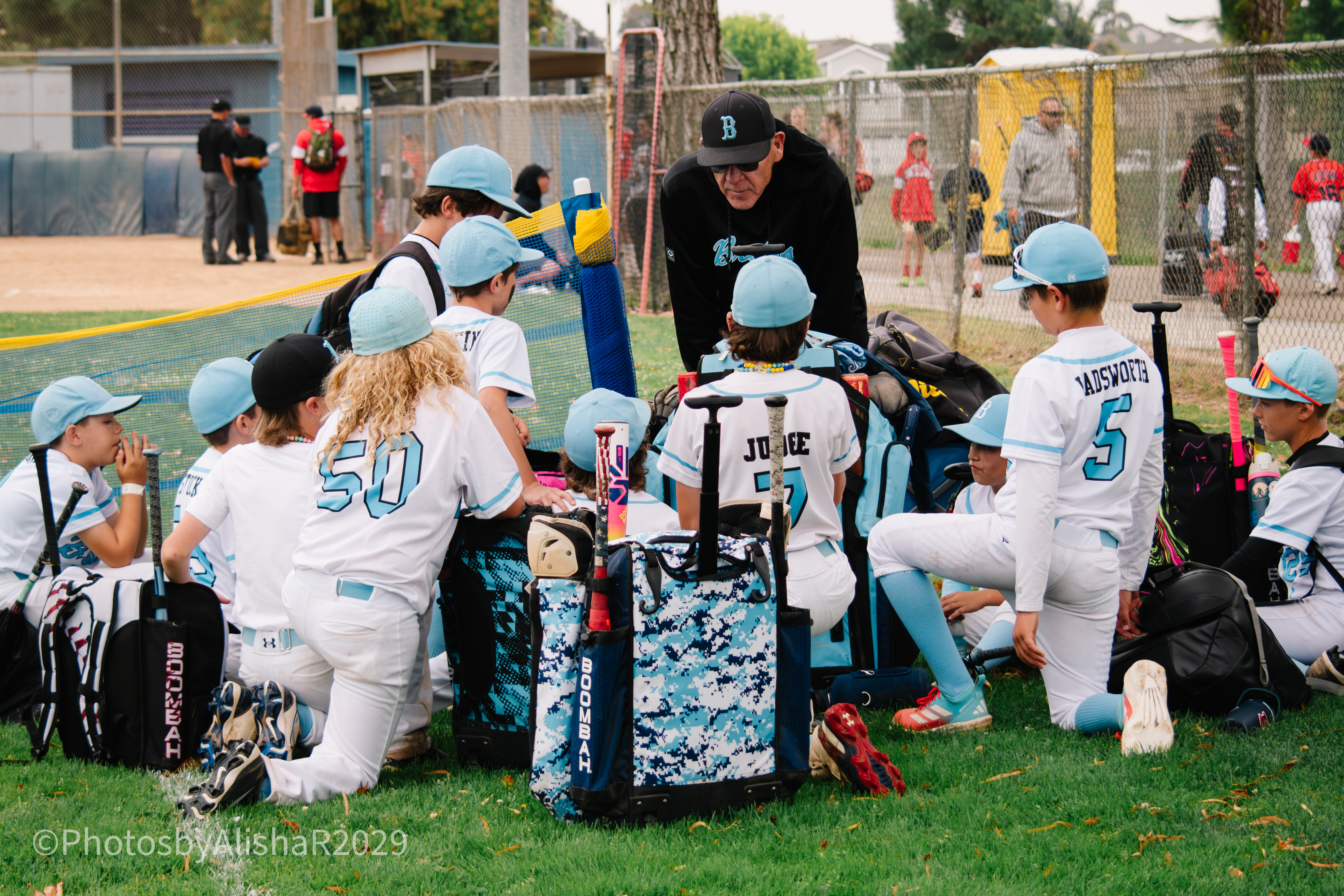
Shirts are familiar and easy to explain, while hoodies can carry a higher price because fans often wear them long after the season. Hats and smaller game-day accessories can be approachable add-ons for supporters who want team spirit without buying a full outfit.
Consider weather, age, and the sport. Young players may love a bright accessory, while parents may prefer something comfortable and useful on chilly sidelines. The team spirit gear guide can help you think beyond the standard shirt without turning the fundraiser into a fashion draft.
Match designs to team colors, mascots, and school rules
Use the official colors when you can, and double-check spelling, mascot details, and any rules about logos or school marks. Ask the athletic director or school office before publishing artwork if approval is required.
The design should be readable from a few rows up. A clean team name, a number, a mascot, or a simple phrase often lands better than seven tiny graphics fighting for possession.
Balance quality, price, and profit per item
Families usually judge value quickly: Does it look comfortable? Will it survive the season? Is the price reasonable? Compare the sale price with the actual amount that reaches the team, including fees, shipping, and any other costs.
Do not call a fundraiser successful because the gross sales number looks huge. The net result is what pays for the new gear, the bus, or the snack table that mysteriously empties in three minutes.
Avoid the dreaded “cool design, zero buyers” situation
Show a few design ideas to players and families before the store opens. A quick poll can reveal whether people prefer a bold mascot, a classic team mark, or something they can wear outside the ballpark.
Try to offer one safe choice and one fun choice. For more personalized options, custom sports necklaces can add team colors, player names, initials, logos, numbers, or inside jokes, according to the product description. The point is not to make every item weird; it is to give fans a reason to choose something that feels like theirs.
Choose a fundraising partner that makes life easier
A partner should reduce the number of moving parts, not hand the coach a new pile of them. Before signing up, ask how artwork is submitted, how orders are collected, what happens after the deadline, and who families contact with questions. If the answers are foggy, the fundraiser may be foggy too.
Read the details with the same care you would use for any team project. Even a renovation planning guide makes the basic point that scope and responsibilities should be clear before work begins; your fundraiser deserves that same simple discipline.
Review customization and ordering options
Check whether the partner supports the products, colors, personalization, and order method your team wants. Look for a process that is easy to show on a phone, since many families will shop from the bleachers, the carpool line, or the couch during overtime.
Ask for a sample of the ordering flow if possible. A few minutes clicking through the store can expose confusing size menus or missing information before hundreds of people see it.
Check minimums, production times, and shipping details
Find out whether there is a minimum order, when production begins, and how shipping is calculated. Confirm whether items arrive together or separately, and whether the quoted timeline includes artwork approval and order processing.
A partner that explains lead times clearly gives you a better chance of delivering before the final game. If you are also comparing installation timelines for a separate project, the same lesson applies here: ask what the timeline includes instead of trusting one vague number.
Understand profit margins, fees, and payment schedules
Write down the sale price, expected team share, fees, shipping charges, and payment schedule. Then run a sample order so you know exactly what happens to the money when a family buys one item versus several.
A strong plan keeps the math visible to the adults managing the campaign. For a product-based fundraiser, necklace fundraiser math offers a useful way to think about team size, per-player targets, costs, and realistic expectations.
Look for support with artwork, sizing, and customer service
Ask who reviews artwork, where families find a size chart, and how questions or mistakes are handled. Support matters most when the campaign is live and the coach is trying to run practice, answer a parent, and locate three missing baseballs.
Also check whether the partner provides clear instructions that volunteers can reuse. A reliable process helps the fundraiser feel like a team activity instead of a mystery nobody wants to solve.
Launch the fundraiser without losing practice time
The launch should be quick, upbeat, and easy to repeat. Players need to know the goal, the product, the deadline, and the exact next step. Families need the same information, preferably without a 14-page document titled “Fundraiser Final Final Version.”
Do the setup before the busiest part of the season whenever possible. A practice-time fundraising plan makes a similar case for completing key setup work early so coaching time stays focused on athletes.
Run a quick team kickoff that gets athletes involved
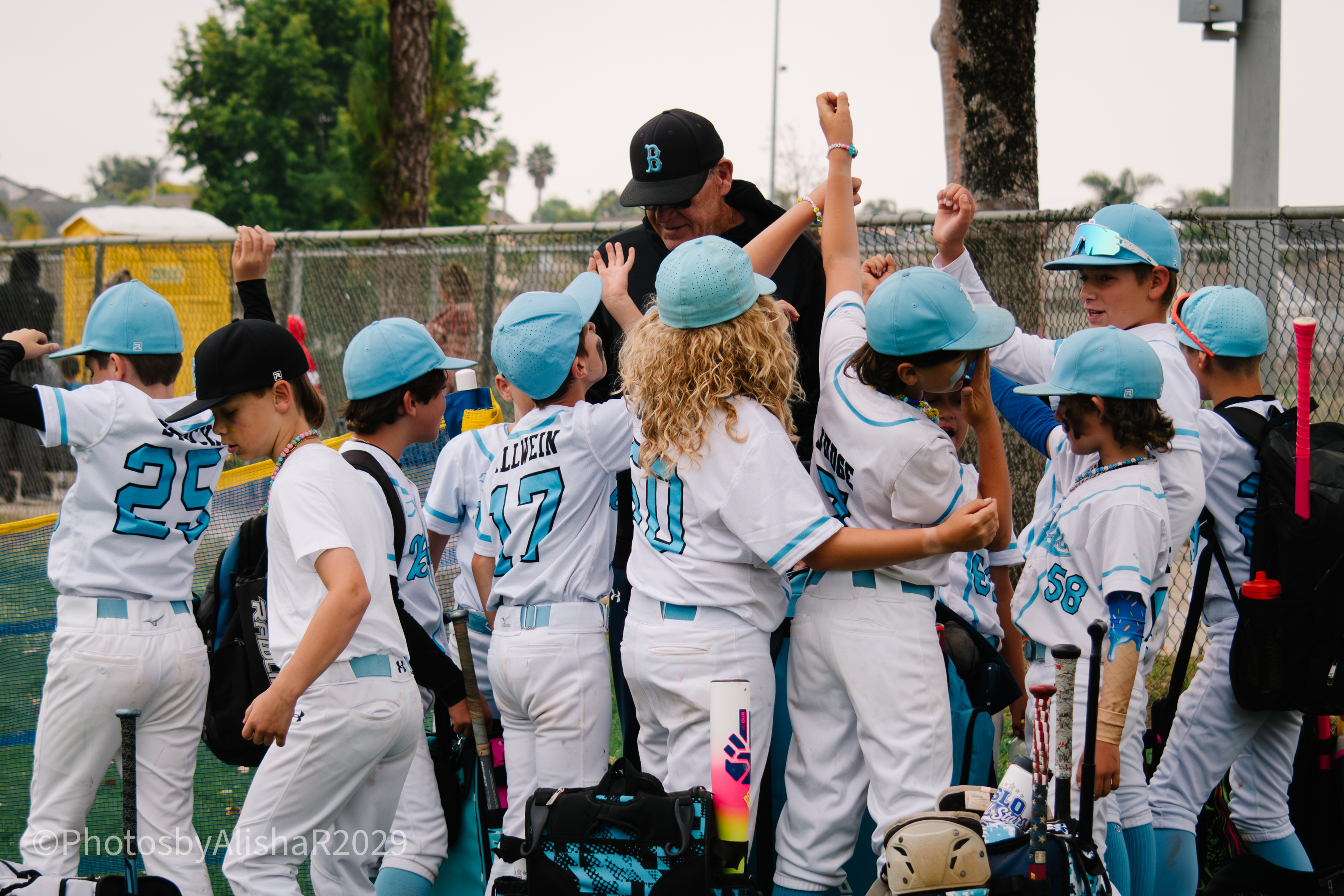
Spend a few minutes explaining what the fundraiser pays for and why the team is doing it. Let players suggest a caption, model the gear, or help choose a favorite design so the campaign feels like something they own.
Keep the tone positive and age appropriate. Eleven-year-olds do not need a sales seminar; they need a clear mission, a fun way to participate, and permission to be enthusiastic without becoming a walking commercial.
Give players and families simple sales instructions
Use one short message with the store link, the goal, the deadline, and answers to the most common questions. Tell families how to share the fundraiser and what not to do, such as collecting sensitive payment details in a group chat.
You can also provide a simple sharing script. The personal fundraiser coaching guide supports the idea that supporters do better when they have a clear roadmap, expectations, and ongoing help.
Set up online ordering and payment collection
Online ordering can make the process easier to track, but check every setting before launch. Test the link, review product names and sizes, confirm payment instructions, and place a small test order if the system allows it.
Keep payments in the approved channel. Parents should not be sending card numbers or private details to a player, a coach, or a random message thread that begins with “Hey, I think this is the order form?”
Create deadlines that keep the fundraiser moving
Use a soft reminder halfway through the campaign and a firm final reminder before the store closes. Put the deadline in every message, because people are talented at remembering the product and forgetting the date.
Avoid extending the campaign casually. If you need more time, explain why and publish the new final date clearly so families know which deadline is real.
Promote the gear like it is championship merch
Promotion works when it feels like team energy, not constant begging. Show the gear in use, connect it to the team goal, and make sharing easy for parents and supporters. A little personality helps, especially when the post sounds like actual players instead of a very tired committee.
Plan several small reminders instead of one giant announcement. Different families notice different channels, and a game-day photo may do more work than a paragraph full of exclamation points.
Use social media, team emails, and school announcements
Prepare a few approved posts with the store link, product photo, purpose of the fundraiser, and closing date. Ask the school or league which channels are allowed, and get permission before posting identifiable images of children.
Rotate the message so it does not become background noise. One post can explain the goal, another can show the design, and a final one can remind everyone that the store closes soon.
Turn game days into spirit gear showcases
Game days naturally give fans a reason to wear the gear. Invite families to take group photos, feature a fun accessory, or create a small spirit section in the stands when the venue rules allow it.
Keep the focus on the team rather than on who bought the most. A supporter in an older team shirt still belongs in the picture, and that kind of welcome can lead to more support later.
Encourage athletes, parents, and alumni to share the store
Give supporters a ready-to-send message and a photo they can use. Alumni, grandparents, and former coaches may live far away, so an easy online link lets them participate without needing to attend a game.
Thank people as they share, not only after they buy. A quick “Thanks for helping us get to tournament weekend” feels personal and keeps the campaign connected to its purpose.
Add friendly team challenges without creating drama
A team challenge can add fun if it rewards participation rather than turning players into competing sales machines. Try a shared goal, a practice music pick, or a team celebration when the campaign reaches a milestone.
The best team challenge makes everyone feel included, even if one player’s relatives live three states away.
Keep score lightly and never shame a child for having a smaller network. Fundraising should build team spirit, not create a leaderboard of family popularity.
Manage orders, sizing, and sideline chaos
The campaign is not finished when the store closes. Order accuracy, delivery, and communication decide whether the final memory is “That was awesome” or “Who has my medium hoodie?” Build a simple handoff plan before the boxes arrive.
One organized adult can prevent a lot of confusion. Keep the final order information in an approved, limited-access place and communicate changes quickly.
Collect accurate player and customer information
Ask only for information needed to process and distribute the order. Names, contact details, product selections, sizes, and pickup preferences may be useful, but do not collect extra personal information just because a form has another blank field.
Review the order list for duplicate entries, missing sizes, and unusual notes before the deadline. A second pair of eyes catches mistakes that look invisible after staring at the same spreadsheet for an hour.
Plan for exchanges, late orders, and missing items
Publish the exchange and late-order process before families need it. Explain who handles the question, what information they should provide, and whether an exchange depends on inventory or another production run.
When something goes missing, stay calm and document the issue. Families usually handle problems better when they get a prompt update, a realistic next step, and no mysterious silence.
Coordinate delivery, pickup, and distribution
Choose a specific pickup window or delivery process and tell families where to go. Sort items by player or order number, then check them off as they are handed out rather than creating a free-for-all beside the equipment bags.
If the shipment arrives before practice, do not make distribution the warm-up drill. Set aside a short window or use a separate team event so players can focus on their actual sport.
Protect customer data and follow school fundraising policies
Use approved payment tools, storage locations, and communication channels. Follow school rules for logos, student photos, fundraising approvals, and handling money, even when the fundraiser is small.
Do not post order lists publicly or share private contact details in group messages. Good data habits protect families and make the team look organized, which is a win before anyone steps onto the field.
Measure the win and improve the next fundraiser
A quick review turns one campaign into a playbook. Look past the total sales number and ask how many families participated, which products moved, where questions piled up, and whether the effort felt reasonable for the adults involved.
The goal is not to grade the team like a final exam. It is to learn enough that next season starts with fewer surprises and more time for practice, games, and post-game pizza.
Track sales, profit, participation, and popular products
Record total orders, revenue, costs, net profit, number of participating athletes, and the products people chose. Compare the original target with the final result, but also notice whether one item carried the whole campaign.
A basic review might include:
- Total units sold by product
- Net profit after fees and shipping
- Participation rate among athletes
- Most common sizes and colors
That information helps you choose a tighter product mix next time. If one item sold quickly and another sat untouched, the next campaign does not need to repeat the benchwarmer.
Gather feedback from families, athletes, and fans
Ask three or four short questions while the experience is fresh. Find out whether the store was easy to use, whether sizing was clear, what people liked, and what caused confusion.
Give athletes a voice too. They may notice design preferences or sharing ideas that adults miss because adults are busy trying to find the tape.
Review what worked and what felt like a fourth-quarter collapse
Write down the campaign moments that created friction: late artwork, unclear deadlines, difficult payment steps, delivery confusion, or too many products. Also record the wins, such as a strong game-day post or a player-led idea that got families talking.
Be honest without being dramatic. A fundraiser can meet its money goal and still need a better distribution plan, just as a team can win while knowing the passing game needs work.
Use the results to build a repeatable coach fundraiser guide
Save the timeline, approved messages, product list, cost math, role assignments, and lessons learned in one place. Next season, update the dates and goal instead of rebuilding the whole campaign from scratch.
For teams interested in a more accessory-focused option, The Drip Bros offers ideas around team fundraising, social sharing, and custom sports gear. Their team fundraiser ideas can also point you toward a next step when you are ready to compare options, but keep your decision grounded in your team’s needs and school rules.
Make the Next Campaign Count
A good spirit gear fundraiser gives a team more than money. It creates a shared project, lets athletes contribute, and gives families a simple way to show up for the season. Plan the details early, keep the choices clear, and treat every order like part of the team experience.
Conclusion
The best team fundraiser is organized enough to run smoothly and fun enough that players want to talk about it. Set a clear goal, choose wearable gear, communicate often, protect family information, and review the results afterward. Do that, and the coach can stay on the sideline where they belong—calling plays, encouraging kids, and pretending not to hear the parents yelling at the referee.
Frequently Asked Questions
What makes a team spirit gear fundraiser successful?
A successful fundraiser has a clear financial goal, appealing products, simple ordering, realistic deadlines, and a process that families can understand quickly. It also protects practice time and communicates what the money will support.
How many products should a team offer?
Start with a small collection that fits the season, weather, budget, and audience. A few strong choices are easier to explain, promote, track, and distribute than a huge catalog.
Should players be required to sell a certain amount?
Requirements depend on school, league, and team policies, but participation should be handled carefully. Shared goals and optional sharing can include more families than individual quotas or public rankings.
How far in advance should a fundraiser launch?
Launch early enough to allow artwork approval, promotion, ordering, production, and delivery before the event or purchase deadline. Build in extra time for school breaks, tournaments, and unexpected order questions.
What information should an order form collect?
Collect only what is needed to process and distribute orders, such as contact information, product choices, sizes, and pickup details. Use approved tools and limit access to people who need the information.
How can coaches avoid spending too much time on fundraising?
Assign adult roles, use one communication channel, prepare reusable instructions, and set firm dates. Completing setup before the busiest practices also keeps the coach from becoming the campaign’s entire customer-service department.
What should a team review after the fundraiser ends?
Review net profit, participation, product popularity, costs, order accuracy, delivery, communication, and family feedback. Save those notes so the next campaign can repeat the wins and avoid the same fourth-quarter mistakes.
Get Team Gear Started
When you are ready to explore team accessories or a custom order, check the available options and choose the setup that fits your players, families, and season. Keep the goal clear, make the next step easy, and let the team bring the energy.