
How Much Can Your Team Really Raise With a Necklace Fundraiser?
Start with the real fundraising math
A necklace fundraiser sounds simple: sell cool gear, collect money, help the team. The math is simple too, but only if you separate sales from profit. Before anyone starts texting relatives, figure out what one necklace contributes and how many sales the squad can realistically make. That answer is the real starting point for knowing how much can a team fundraiser raise.
The simple revenue formula every team can use
Start with three numbers: the number of necklaces sold, the selling price, and the profit kept from each sale. Gross revenue is calculated as necklaces sold multiplied by the selling price. Team profit is necklaces sold multiplied by profit per necklace.
For example, if 12 players sell 10 necklaces each at $15, the team sells 120 necklaces and brings in $1,800 in gross revenue. That sounds pretty awesome in the group chat, but the amount the team keeps depends on product cost, fees, shipping, and any other expenses.
How price, sales volume, and profit per necklace work together
These three numbers are teammates. A higher price can create more revenue per sale, but only if buyers think the necklace is worth it. A lower price may make selling easier, while a higher profit per necklace means the team needs fewer total buyers.
Here is the basic relationship to keep in your head:
- More sales usually create more total profit.
- More profit per necklace means fewer sales are needed.
- A higher price works best when the product feels special.
- A realistic player target beats a heroic target nobody follows.
After the math, ask whether the plan feels doable for 11-year-old athletes and their families. A target that looks huge on paper can become manageable when every player has a small, clear job.
Gross revenue vs. the money your team actually keeps
Gross revenue is all the cash collected before expenses. Net profit is what remains after the team pays for necklaces, payment processing, shipping, packaging, platform costs, refunds, and other campaign expenses. Those are very different scoreboard numbers.
Write down every cost before announcing the goal. If each necklace sells for $15 but the team keeps $7 after costs, 100 sales produce $700 in profit, not $1,500. For more ideas on choosing a campaign format and setting targets, this fundraising tools guide is a useful planning stop.
A clean spreadsheet can prevent the classic fundraiser plot twist: everyone celebrates the sales total, then discovers the budget is still short.
What determines how much your team can raise
There is no magic number that every team can copy. A baseball team with 12 players, a giant grandparent network, and a tournament next month has a different ceiling from a 30-player squad selling during a quiet school week. Your result depends on reach, time, product appeal, and how consistently people follow up.
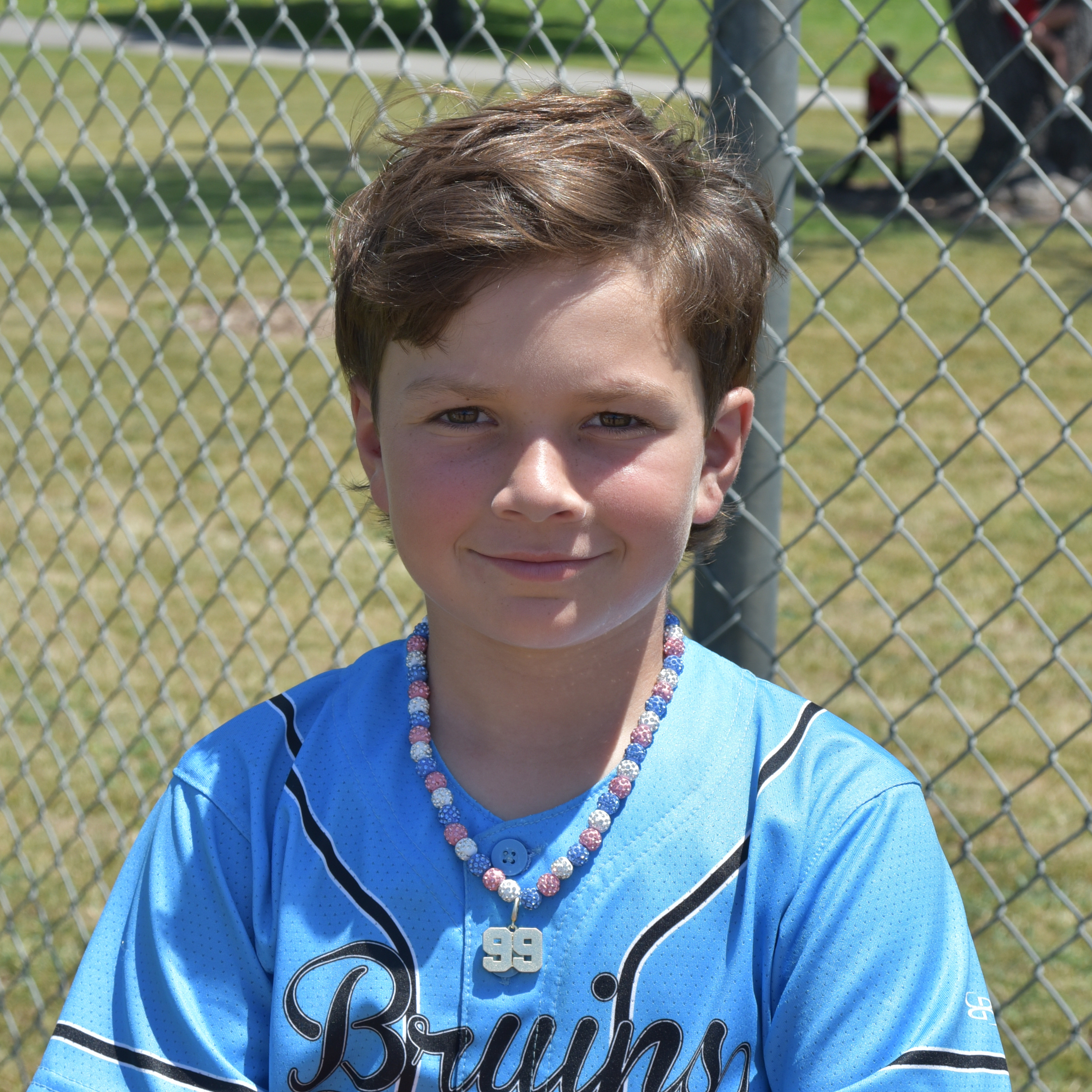
Think of the fundraiser like a season: preparation matters, momentum matters, and one player cannot play every position. The strongest campaigns make the next action obvious for players, parents, and buyers.
Team size and each athlete’s sales target
Team size gives you a rough multiplication engine, but participation matters more than the roster number. A 15-player team with everyone selling eight necklaces may outperform a 25-player team where only five players are active.
Set a team target, divide it by the number of players, and then discuss whether that per-player number feels fair. Some players will sell more, some less, and that is normal. The goal is shared effort, not making one kid feel like the entire batting order.
Audience reach beyond parents and grandparents
Parents and grandparents are a solid first circle, but they are not the whole stadium. Relatives, neighbors, coaches, former teammates, teachers, and local fans may all care about the team if the request is easy to understand.
A personal message usually works better than a random blast. Explain what the money supports, show the necklace clearly, and give buyers a simple way to order. Teams can also review team fundraiser ideas when they want to compare a necklace campaign with other approaches.
Fundraiser length, timing, and follow-up energy
A fundraiser that runs for three days may create urgency, while a two-week campaign gives families more time to reach people. Neither is automatically better. The best window is long enough for sharing and short enough that everyone remembers the goal.
Timing around games, tournaments, team photos, or a school event can help because the team already has attention. If you are promoting online, make sure the page is easy to use on a phone; even small website delays can make people wander off, as this guide to website speed explains.
Follow-up is where many campaigns quietly win or lose. A friendly reminder halfway through can recover buyers who meant to order but got distracted by homework, practice, or the mysterious disappearance of their favorite sock.
Necklace price and perceived value
Price should match what buyers see. Team colors, a number charm, a meaningful design, and a necklace that can be worn after the fundraiser all make the purchase feel less like a donation with a random object attached.
The Royal Drip Beaded Sports Necklace, for example, is documented as a blue, gold, and white necklace available in youth and adult sizes, with an option to personalize it with a number charm. If your team’s colors and audience fit that kind of product, the design gives players something specific and easy to show off.
Do not guess at value based only on what the team hopes to raise. Ask a few families what price feels comfortable, then build the goal around the answer.
Sample necklace fundraiser scenarios
Scenarios are not promises; they are practice swings. They show how different combinations of players, sales, price, and profit can land in very different places. Use them to test your plan before putting a giant number on the team poster.
A small team with a modest sales goal
Imagine 10 players each selling eight necklaces. That is 80 sales. If the team keeps $6 per necklace after costs, the campaign produces $480 in profit.
That may cover a smaller equipment purchase, part of a tournament fee, or a team celebration. It is not pocket-change magic, but it can still move a real line in the budget. Small goals also feel less scary, which can help younger players stay engaged.
A solid middle-of-the-pack campaign
Now picture 16 players selling 12 necklaces each. That creates 192 sales. At $7 profit per necklace, the team keeps $1,344.
This kind of campaign needs a little organization: a launch message, a halfway update, and someone tracking orders. The team does not need every player to become a sales legend. It needs most players to take consistent swings.
A full-send fundraiser with big team-wide momentum
A larger push might involve 20 players selling 20 necklaces each. That is 400 sales. At $8 profit per necklace, the team reaches $3,200 in profit.
That number requires a strong audience and clear coordination, so it should not be used as the default promise. A campaign this size may work when the team has a big event, a popular design, and parents who are willing to help with sharing and order tracking.
What happens when top sellers carry the squad
Suppose five players sell 25 necklaces each while 15 players sell five each. The total is 200 necklaces, even though the average hides a huge difference between teammates. If profit is $7 per necklace, the team keeps $1,400.
Top sellers can provide useful momentum, but relying on them too heavily can create burnout. A better plan celebrates big sellers while giving every player a small, achievable target. The team fundraiser planning guide also emphasizes breaking large goals into manageable opportunities and keeping the group motivated.
How to set a realistic fundraising goal
A good goal is connected to something the team can name. “Raise a lot” is not a plan; “cover $1,200 of tournament travel” gives everyone a reason to care. Once the need is clear, work backward through the sales math and check whether the target matches the team’s time and audience.
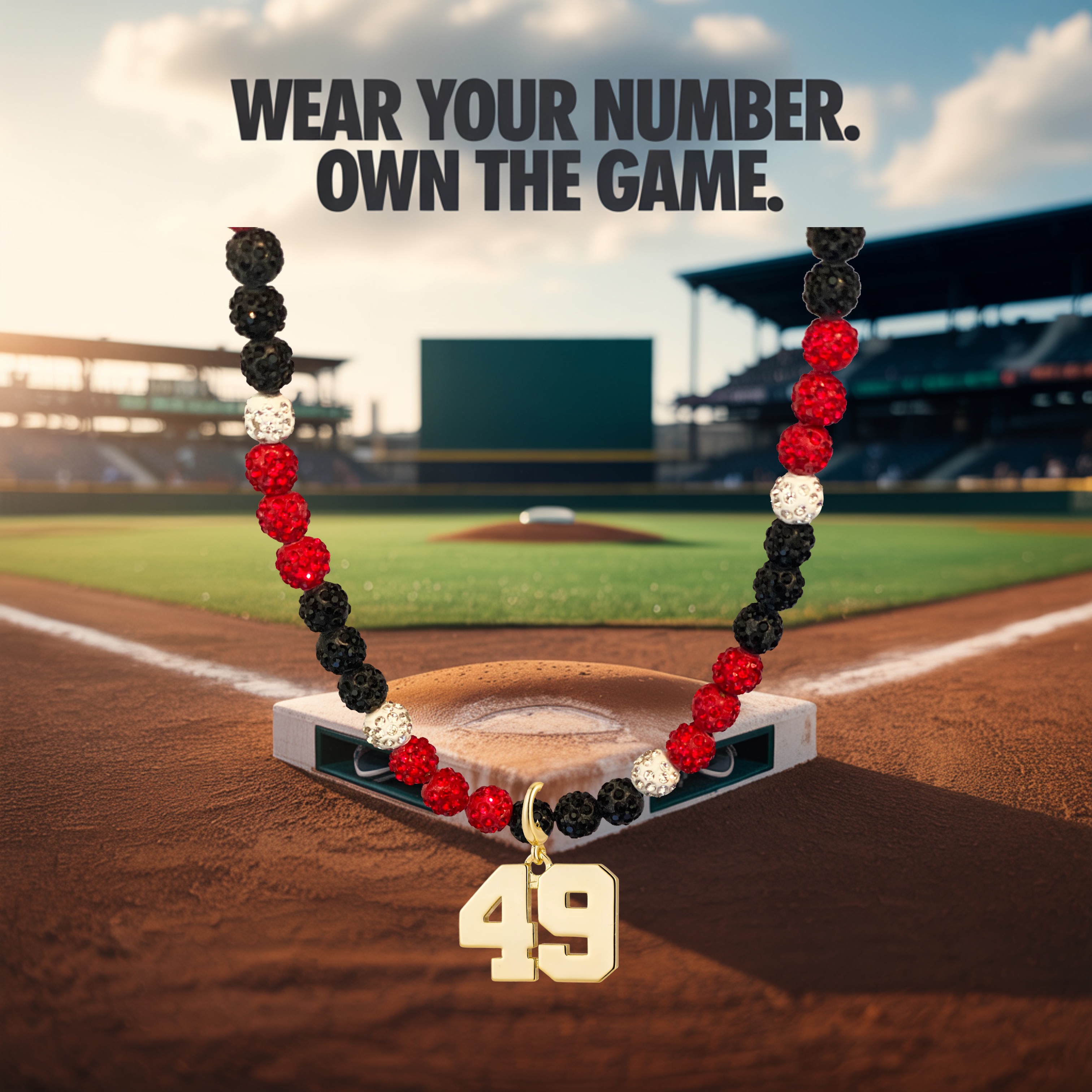
It also helps to keep the first goal calm. Younger players should feel like teammates, not like tiny door-to-door business executives wearing matching batting gloves.
Start with the team’s actual budget needs
List the expense, its estimated cost, and when the money is needed. Uniforms, equipment, field rentals, tournament travel, and league fees can all create different deadlines.
Then choose the amount the fundraiser needs to cover. A team does not need to raise $5,000 if the immediate need is $900. The smart fundraising goals guide makes the same useful point: focus on the amount that will actually move the needle for your group.
Turn the goal into a per-player target
Divide the net goal by the expected profit per necklace, then divide the needed sales by the number of participating players. Round up carefully, not dramatically.
If the team needs $1,000 and keeps $7 per sale, it needs about 143 necklaces. With 13 players, that is roughly 11 sales per player. Put that number on a simple tracker so progress is visible without turning every practice into a sales meeting.
Build in fees, unsold inventory, and surprises
A cautious plan leaves room for costs that are easy to forget. Payment fees, replacement items, shipping changes, damaged products, and a few unsold necklaces can all affect the final total.
Before ordering anything, ask who pays upfront, what happens with leftovers, and how returns or exchanges are handled. A clear partner checklist should cover pricing and earning potential, especially when parents are helping manage the money.
A buffer does not mean you expect disaster. It means the budget has a rain jacket.
Use stretch goals without making the team panic
Set one main goal and one stretch goal. The main goal might fund new practice equipment; the stretch goal could add a team meal or help with another expense.
Keep the stretch goal optional and positive. If the team reaches it, celebrate. If not, the original mission still counts as a win. That keeps competition fun instead of making a five-dollar sale feel like a last-second playoff shot.
How to raise more without making sales awkward
Selling works best when it feels like inviting people into the team story, not cornering them in a checkout line. Players should have a short message, a clear photo, a price, and a reason for the fundraiser. The easier the ask, the less weird everyone feels sending it.
For teams that want a team identity people can wear beyond game day, custom sports necklaces can fit naturally into that conversation because the documented options include team colors, jersey numbers, initials, and meaningful charms.
Give every athlete an easy message to share
Write one message that sounds like a kid, not a corporate robot. It might say: “Our team is raising money for tournament fees by selling sports necklaces. They are $15, and every purchase helps us get closer to our goal. Thanks for supporting the team!”
Let players add a photo and a personal sentence. A message that takes 30 seconds to understand is much more likely to get read than a giant paragraph with twelve exclamation points.
Sell the story behind the necklace
People buy the meaning as much as the object. Tell them what the money supports, why the colors matter, and whether the necklace celebrates the team, a number, a tournament, or a season.
The product should still stand on its own. If the necklace looks like something a player would wear after the game, buyers can feel good about getting a keepsake rather than just making a one-time contribution.
Use social media without becoming spam accounts
Post a launch photo, a progress update, and a final reminder. That is usually better than repeating the same sales post every morning until the family group chat stages a revolt.
Use team-approved accounts and protect kids’ privacy. Share the product, the purpose, the deadline, and the ordering instructions. A quick clip before practice or after a win can show the energy without demanding a full production crew.
Add friendly competitions and team rewards
A simple tracker can make progress visible. Keep the prizes small and team-friendly, such as choosing warm-up music, picking a practice game, or earning a silly traveling trophy.
The competition should reward effort as well as totals. Consider categories such as most improved, best team message, or first player to reach the personal target. That gives different kinds of players a way to contribute.
The best fundraiser is competitive enough to be fun and kind enough to keep everyone included.
After the competition is announced, explain the rules once and keep the updates light. The point is more energy, not a courtroom drama over who sold necklace number 47.
Follow up before potential buyers forget
Most people are busy, not necessarily uninterested. Send one polite reminder with the deadline and a direct order link. Thank people whether they buy or simply share the fundraiser.
A final update can show the team’s progress and say what the money will help pay for. If the campaign uses an online store, start shopping can give supporters a direct next step without making them search through old messages.
Is a necklace fundraiser worth it for your team?
A necklace fundraiser can be a strong fit when the product matches the team and the process is easy to manage. It is not automatically the highest-earning option for every group. Compare the likely profit, effort, timeline, and buyer interest before committing.
The right question is not only “How much could we sell?” It is also “How much work will this take, and will our supporters actually want the item?” A realistic answer is more useful than a huge estimate that looks good for five minutes.
Compare profit margins with other team fundraisers
Compare net profit per item, not just the selling price. Some fundraisers rely on lots of low-cost sales, while a durable team accessory may create fewer but higher-value purchases.
For a broader look at school fundraising models, this school team fundraising guide compares product sales, online campaigns, and other ways groups cover expenses. The best choice depends on your audience, the margin, and how much selling your team can handle.
Check the workload for coaches, parents, and players
Someone has to collect sizes, answer questions, track payments, distribute products, and handle problems. Decide those jobs before launch. Coaches should not discover halfway through the campaign that they are also the shipping department.
A short campaign calendar helps: one launch day, one progress check, one reminder, and one delivery plan. If the system is clear, players can focus on sharing instead of asking where every order went.
Watch for product quality and delivery issues
Ask about materials, sizing, durability, order timing, and replacement policies. The necklace should be comfortable and appropriate for the intended audience, especially when younger athletes will wear it.
Get a sample if possible, inspect it, and explain delivery expectations to buyers. Clear details prevent disappointment and help the fundraiser feel professional without becoming overly fancy.
Decide whether the fundraiser fits your fan base
A necklace fundraiser works best when fans already enjoy showing team pride. Team colors, player numbers, charms, and wearable designs can make the product feel personal.
If your audience prefers donations, events, or food sales, forcing a product campaign may create extra friction. Ask a few supporters first, choose a goal that fits the feedback, and remember that a smaller successful fundraiser beats a giant one nobody wants to join.
Ready to get started
If your team wants a wearable way to show its colors while raising money, explore The Drip Bros and choose a necklace that gives players and fans something to celebrate together.
Conclusion
A necklace fundraiser can raise a few hundred dollars or several thousand, depending on team participation, audience reach, pricing, profit per sale, and follow-up. Run the real math first, set a goal tied to an actual team need, and make every player’s part manageable. When the product feels like team gear instead of a random item, the fundraiser has a much better shot at building both the budget and the team spirit.
Frequently Asked Questions
How much can a team fundraiser raise?
A team fundraiser might raise a few hundred dollars for a small campaign or several thousand for a larger, highly organized one. The main drivers are sales volume, net profit per item, participation, and audience reach.
How do you calculate fundraiser profit?
Multiply the number of items sold by the profit kept from each item after product costs and fees. Do not use gross revenue as the final fundraising total.
What is a realistic sales target per player?
A realistic target depends on the player’s network, the campaign length, and the product price. Start with a modest number that most players can reach, then add a voluntary stretch goal.
Should a team set a gross revenue or net profit goal?
Set a net profit goal because that is the money available for uniforms, equipment, travel, or other expenses. You can still track gross revenue, but it should not be the main scoreboard.
How long should a necklace fundraiser run?
Many teams can use a one- to two-week window, depending on their schedule and order process. The campaign should allow time for sharing and reminders without losing momentum.
How can a team promote a fundraiser without annoying people?
Use a few clear updates instead of constant posts. Explain the purpose, show the product, include the deadline, and send polite reminders to people who expressed interest.
What should a team do if sales are lower than expected?
Check whether the goal, price, message, and ordering process are clear. Try one focused reminder, ask players to reach a different audience, and adjust the target if the available time or demand does not support the original number.