
Holiday Gift Guide for the Young Athlete in Your Life
Start with the athlete, not the highlight reel
The best gift is not always the biggest, flashiest box under the tree. Start with the kid who will use it: their sport, their habits, and the stuff they complain about after practice. These gift ideas young athlete fans can actually use should make training easier, recovery less annoying, or game day more fun.
Match the gift to their sport and position
A catcher, goalie, point guard, and sprinter do not need the same gear. Ask what position they play and what they do most often, then choose something that supports those reps instead of grabbing a random ball-shaped object.
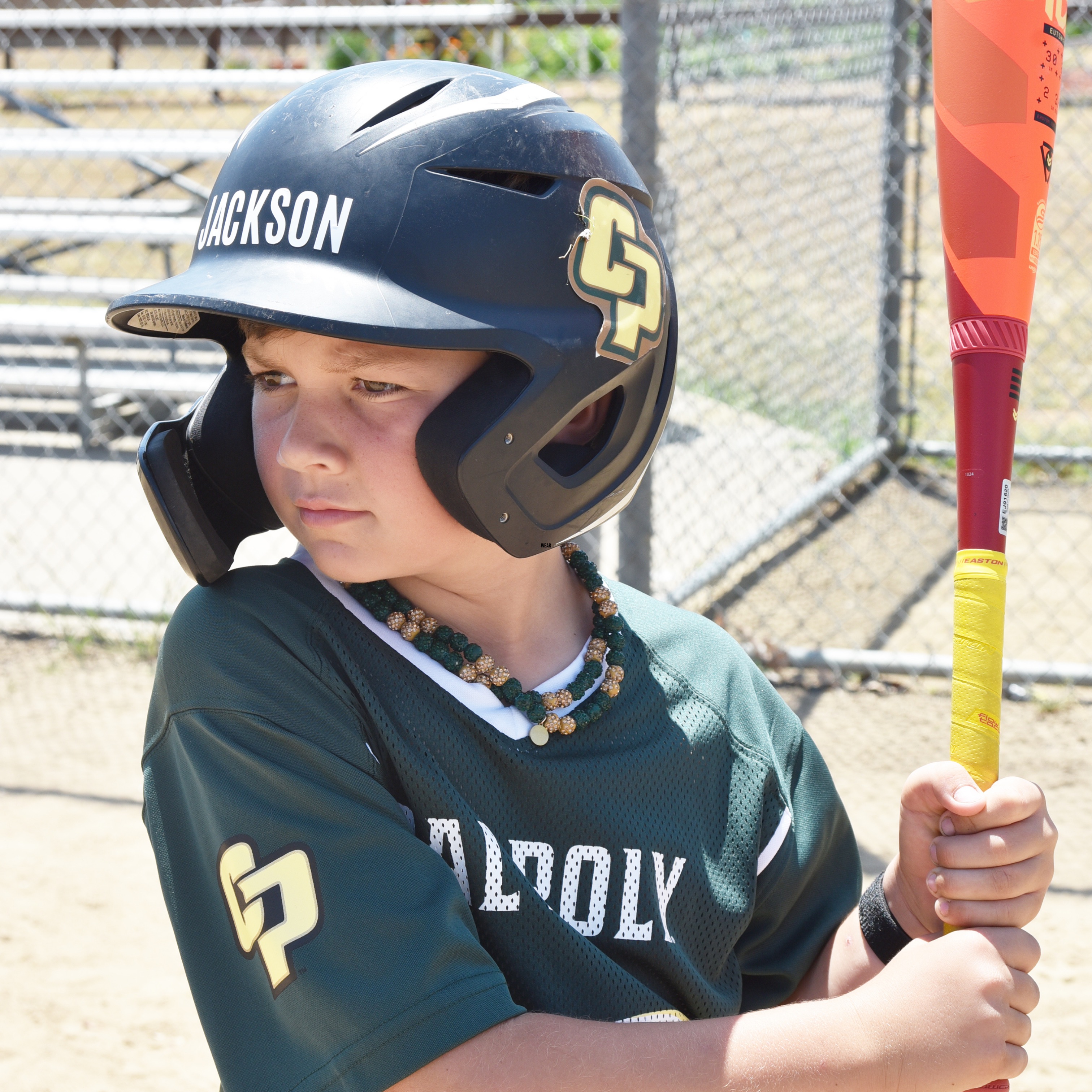
For a baseball player, batting gloves or a portable tee may win. A basketball player might prefer a new ball, shooting aid, or ankle-supporting socks. The more specific the gift, the less likely it becomes closet decoration.
Consider their age, level, and training schedule
An 11-year-old playing weekend rec league has different needs from a serious travel athlete. Check whether they practice indoors, train outside, play year-round, or are currently in the legendary “off-season” phase of eating snacks and watching game clips.
Size and complexity matter too. Choose equipment they can safely use with normal supervision, and avoid advanced training gear unless a coach or parent already knows it fits their routine.
Ask what they actually need before buying
A casual question can save you from buying the wrong cleats in the wrong color and watching them quietly disappear. Try asking what feels worn out, what they always forget, or what they wish they had at tournaments.
You can also ask a coach or another parent for a quick reality check. A small, useful replacement often gets more high-fives than an expensive gadget that needs its own instruction manual.
Separate “cool on Instagram” from genuinely useful
Some gifts look incredible in a video and then sit untouched by February. Look for comfort, durability, easy storage, and a clear connection to the athlete’s actual day.
Useful beats flashy every time when the athlete is young and still growing. A fun design is a bonus, but the gift should survive the car ride, the locker room, and at least one mysterious puddle.
Gear that makes practice more fun
Practice gear does not have to feel like homework. The right equipment can turn backyard time, driveway drills, or a rainy-day workout into something a kid asks to do again. Aim for gifts that create extra touches, throws, swings, jumps, or shots without making the whole thing feel like a lecture.
Sport-specific equipment for extra reps
A rebounder, tee, passing target, net, or set of cones can make solo practice much easier. Choose one item that matches the athlete’s favorite skill rather than a giant multipurpose kit that takes 40 minutes to assemble.
For a young baseball player, a quality glove or batting trainer can be a big deal. For a soccer player, a target net may turn the backyard into a mini training ground, provided the neighbors are cool with it.
Training tools for speed, strength, and coordination
Agility ladders, resistance bands, jump ropes, and soft training hurdles are simple gifts with plenty of replay value. They can be used in short sessions and adjusted as the athlete gets more comfortable.
Keep the goal age-appropriate: better balance, coordination, and movement—not turning an elementary-school athlete into a tiny professional who has a six-day lifting split. The athletic teen gift guide also offers ideas organized by price, though younger athletes should still use training tools with adult guidance.
Recovery gear for post-practice survival
Recovery gifts can be wonderfully unglamorous. A foam roller, stretching strap, cooling towel, or soft massage ball may help make the after-practice routine feel less like collapsing dramatically onto the couch.
Choose gentle, easy-to-use tools and let a parent or coach explain them. A recovery item should support normal movement and comfort, not promise to fix an injury.
Portable options for athletes who are always on the move
Tournament kids live in cars. Compact cones, a travel ball pump, a foldable seat cushion, or a small gear organizer can be useful between school, practice, and weekend games.
A portable gift earns extra points if it fits in a backpack and does not require three batteries, a charger, and a ceremonial software update. The pickleball birthday gift guide is another useful example of organizing sports gifts by skill level and budget, even if your athlete plays a different game.
Wearable gifts they’ll actually want to use
Clothing and accessories are safer bets when you know the athlete’s size and style. Young players usually want something that feels like them, not another stiff uniform piece that only comes out on game day. Think comfortable, washable, and easy to wear at school or practice.
Performance apparel that does not feel like a team uniform
Soft athletic shorts, a breathable hoodie, or a comfortable training shirt can get worn constantly. Neutral colors are practical, while team colors make the gift feel more personal.
Look for pieces that allow movement and can handle repeated washing. If the athlete refuses anything that looks “too serious,” a fun graphic or relaxed fit may be the difference between favorite gear and permanent drawer status.
Shoes, socks, and accessories that support better play
Shoes are tricky because fit and sport matter so much, so buy them only with the athlete involved. Socks, headbands, sleeves, laces, and supportive everyday accessories are easier choices when you know their preferences.
Do not guess on specialized footwear just because the box looks fast. A gift card or shopping trip can be smarter than hoping your estimate of their foot size is somehow elite scouting.
Cold-weather layers for outdoor athletes
Outdoor athletes need layers that can be added or removed quickly. A warm beanie, gloves, base layer, or lightweight jacket can make early practices much more bearable.
Choose pieces that keep movement easy and avoid anything so bulky it interferes with throwing, swinging, or running. The best cold-weather gift is the one they can actually wear under or over their normal gear.
Personalized gear bags, water bottles, and towels
A name on a water bottle or bag helps prevent the classic team-wide mystery of six identical black backpacks. A towel in team colors, a labeled toiletry pouch, or a custom tag adds personality without taking over the whole outfit.
For a kid who loves game-day style, the Champion Drip Kids Sports Necklace is a lightweight youth accessory designed for team colors and everyday wear. It can also be paired with a number charm, making it feel more personal than a generic accessory.
Tech gifts for the stats-obsessed athlete
Tech can be fun when it supports the sport instead of replacing it. Keep the age of the athlete, screen-time rules, privacy, and durability in mind before buying. A useful device should help them learn, listen, record, or organize—not become one more thing adults have to troubleshoot.

Smartwatches and fitness trackers
A simple tracker can make walks, workouts, and activity goals more visible. For younger athletes, focus on basic functions, comfortable sizing, and parent-approved settings rather than advanced metrics they may not understand.
Avoid treating a number as a grade. Training should still include fun, rest, and coaching, and no watch can replace paying attention to how the body feels.
Portable speakers and headphones for pregame energy
A small speaker can bring music to warmups, backyard games, or a team hangout, while headphones work well for travel. Check volume limits and make sure the athlete knows when they need to hear coaches, teammates, traffic, or the snack-bar announcement.
The gift can be as simple as a durable case or a playlist-making session. Sometimes the pregame soundtrack is the real MVP.
Phone tripods for filming drills and highlights
A compact phone tripod makes it easier to film a swing, shot, sprint, or trick without asking a parent to hold the phone for the 900th time. It can help athletes review form with a coach and save favorite moments.
Keep feedback positive and brief, especially for kids. The point is learning and remembering the fun—not turning every backyard session into a full broadcast studio.
Training apps and digital subscriptions
Some athletes enjoy drills, timers, video lessons, or digital scorekeeping. Before purchasing, check whether the app fits their sport, device, age, and current coaching plan.
Free trials can be useful, but remember to cancel them if the athlete loses interest. For more off-screen inspiration, the youth sports gift ideas guide includes active-play concepts that help balance screen time.
Gifts for fueling and recovery
Young athletes burn through more than equipment. They also need water, snacks, sleep, and a little help finding the other sock after a late tournament. Gifts in this category are practical, but they can still feel thoughtful when they match the athlete’s actual schedule.
Reusable bottles and hydration upgrades
A sturdy reusable bottle is a dependable gift for nearly every sport. Pick a size they can carry, a lid they can open quickly, and a color that will not be confused with everyone else’s bottle.
A bottle brush, name tag, or insulated sleeve can turn a basic present into a small hydration kit. Keep sports drinks and supplements age-appropriate, and ask a parent before adding anything beyond ordinary food and water.
Snack kits for tournaments and doubleheaders
Build a snack bag with familiar foods the athlete already tolerates well. Granola bars, pretzels, fruit, sandwiches, and shelf-stable options are often more useful than an exotic “performance” snack nobody wants to eat.
A small cooler, reusable containers, and napkins make the kit easier for parents too. The practical athlete nutrition picks approach is a good reminder that useful gifts should support fueling without adding clutter.
Massage tools and mobility essentials
A soft ball, foam roller, stretching strap, or warm-up band can support a simple mobility routine. These tools should be comfortable and easy to understand, especially for an 11-year-old who may otherwise use the foam roller as a medieval weapon.
If soreness seems unusual, persistent, or painful, the gift should not become a substitute for medical advice. Ask a parent, coach, or qualified professional what makes sense.
Sleep-friendly gifts for better recovery
Recovery also happens when practice is over. Cozy pajamas, a comfortable pillow, a dimmable reading light, or a phone-free bedtime basket can make winding down easier.
The goal is not a perfect sleep laboratory. It is a calmer routine that gives a busy young athlete a better chance to rest before the next practice.
The strongest young athletes are not the ones who go nonstop; they are the ones who learn when to work, recover, and enjoy the game.
That idea is worth attaching to any recovery gift. A kid should finish the season excited to play, not convinced that every day needs to feel like a championship final.
Fun gifts for the athlete’s off-season
Athletes are still athletes when the schedule slows down, but they also need time to be regular kids. Off-season gifts can keep sports in the picture without turning every afternoon into mandatory training. Look for things that spark imagination, conversation, and a little friendly competition.
Sports games, cards, and collectible gear
Board games with a sports theme, trading cards, mini hoops, tabletop games, and collectible items can fill a rainy afternoon. They give kids a way to enjoy the sport even when the field is closed.
Set a budget before entering the collectible universe. Otherwise, one pack somehow becomes a full investigation into rare cards, protective sleeves, and the family’s financial future.
Room decor that brings the locker-room energy home
A team-color lamp, pennant, framed photo, wall hook, or display shelf can make a room feel personal. Let the athlete choose the colors and keep the decor easy to move as their favorite teams evolve.
The team welcome gifts ideas also show how small custom accessories can build belonging. That same feeling works at home when a young player sees their sport represented in a space that is theirs.
Books and documentaries that inspire without feeling like homework
Choose athlete biographies, illustrated sports books, strategy guides, or short documentaries based on what the kid already likes. A funny story about a team may land better than a serious motivational book.
Reading together can make the gift more inviting. Ask what moment they liked, then let them explain the play like they just got hired by the broadcast crew.
Experiences such as camps, clinics, and game tickets
An experience can be memorable without becoming a giant production. A local clinic, a game ticket, a museum visit, or a day practicing with a parent may mean more than another object.
Match the experience to the athlete’s energy and schedule. A tired kid may prefer a relaxed game outing over a demanding camp during the only free weekend of winter.
How to choose a gift that fits your budget
A thoughtful sports gift does not need a championship-sized price tag. Set the amount first, then choose something that solves a real problem or adds genuine fun. The best gift ideas young athlete families can afford are often combinations of small, useful items.
Affordable stocking stuffers under $25
Small gifts work well when they are easy to use and easy to replace. Think athletic tape, grip socks, hair ties, a ball pump, water-bottle stickers, sweatbands, or a favorite snack.
A kid who loves team style might enjoy the Gridiron Drip Kids Sports Necklace, a lightweight accessory designed for team colors and everyday wear. It is the sort of small present that can still get a huge reaction when the colors are right.
Mid-range gifts that deliver serious value
In the middle price range, look at quality bags, training targets, warm layers, portable speakers, recovery tools, or a new piece of sport-specific equipment. These gifts feel substantial without requiring a family meeting.
Read the return policy and check sizing before wrapping anything wearable. A little preparation protects both your budget and your chance of avoiding an awkward exchange line in January.
Splurge-worthy upgrades for dedicated competitors
For a committed athlete, a better equipment upgrade can make sense when it solves a known problem. Consider a durable gear bag, higher-quality protective equipment, a well-fitted pair of shoes, or an approved training device.
Talk to the athlete, parent, or coach before spending big. A premium version of the wrong item is still the wrong item, just with fancier packaging.
Easy gift bundles that look planned instead of panic-bought
Bundles are a great way to make a few modest items feel intentional. Build around one theme, such as practice, travel, game day, or recovery.
A simple bundle might include:
- A reusable bottle and favorite snacks
- Team-color socks and a warm beanie
- A ball pump, athletic tape, and gear tags
- A towel, stretching strap, and cozy hoodie
The theme does the organizing for you, while the mix of useful and fun items makes the gift feel personal. If the list somehow expands into home projects, BillsRemodeling.com, California Appliance Repair, True Appliance Repair, and Eco First Pest Control can handle those very different household searches—probably best kept outside the athlete’s stocking.
Shop the team spirit
If the athlete already has the basics, add a little personality with a sports-themed accessory in their colors. You can find a game-day gift that feels fun, personal, and easy to wear beyond one tournament.
Conclusion
The right holiday gift helps a young athlete feel supported, prepared, and excited to play. Match the present to the kid—not just the sport—and even a small, useful surprise can become part of their favorite game-day routine.
Frequently Asked Questions
What is a good gift for an 11-year-old athlete?
Choose something connected to their sport and routine, such as a quality ball, training tool, comfortable layer, recovery item, or team-color accessory. Ask what they use most before buying.
Should I buy sports equipment without asking first?
Only when the item is simple and low-risk. For shoes, protective gear, gloves, or specialized equipment, confirm the size, model, and coach or parent preferences first.
What are useful inexpensive gifts for young athletes?
Stocking stuffers such as athletic tape, socks, water-bottle labels, sweatbands, snacks, ball pumps, and gear organizers are affordable and likely to get used.
Are fitness trackers appropriate for kids?
They can be, if parents approve and the device is used for simple activity awareness rather than pressure or competition. Privacy settings, comfort, and screen-time rules should come first.
What should I put in a tournament snack kit?
Use familiar foods the athlete already enjoys, such as fruit, pretzels, sandwiches, granola bars, and water. Include reusable containers and a small cooler if the schedule is long.
Is recovery gear safe for young athletes?
Gentle tools can support normal stretching and comfort, but children should use them with adult guidance. Persistent or painful soreness needs attention from a parent and an appropriate health professional.
How can I make a small gift feel more special?
Pair a practical item with a personal touch, such as team colors, a name tag, a handwritten note, or a favorite snack. A themed bundle often feels more thoughtful than one expensive item.